
Business Protection Ireland
Why Business Protection Matters
Most business owners insure their premises, their stock, and their equipment without a second thought, but the biggest risk to many Irish businesses is rarely covered at all: the loss of a director, shareholder, partner, or key employee. If you or a co-owner died or became seriously ill tomorrow, would the business survive? Could the remaining owners afford to buy out the deceased’s shareholding? Would the business be able to absorb the financial hit of losing the person who brings in the sales, holds the technical knowledge, or personally guarantees the bank facility?
These aren’t hypothetical questions. A 2021 survey by Aviva found that most Irish SMEs had no formal plan in place to deal with the death or serious illness of a business owner, despite many admitting the business would struggle to continue trading without them. Business protection exists to close that gap, using life assurance and income protection structured specifically around the needs of the business rather than the individual.
Co-Director and Co-Shareholder Protection Explained
If you own a business jointly with one or more other people, co-director insurance (sometimes called co-shareholder or shareholder protection) ensures that if one of you dies, the surviving owners have the cash available to buy the deceased’s shareholding, rather than being forced into business with a surprise new partner, often the deceased’s spouse or next of kin, who may have no interest or experience in running the company.
In practice, life cover is arranged on the life of each shareholder, with the sum assured set at the value of their shareholding. There are two common ways to structure this in Ireland:
- Own Life in Trust: each director takes out a policy on their own life and places it in trust for the benefit of the other shareholders. This is generally the more efficient structure once there are more than two shareholders, since it only requires one policy per person rather than a web of cross-policies, and the trust can be updated as directors join or leave.
- Life of Another: each director takes out and pays for a policy on the life of each of the other shareholders. This works reasonably well with two or three shareholders but becomes cumbersome as numbers increase.
A worked example: three directors each hold an equal one-third share in a company valued at €3 million. Under an Own Life in Trust arrangement, each director takes out a policy for €1 million on their own life, held in trust for the benefit of the other two. If Director A dies, it’s A’s own policy that pays out, a single €1 million claim, which the trust distributes to the surviving directors, B and C. That €1 million lets B and C buy A’s one-third stake from A’s estate at market value, without needing to find that cash from company reserves or personal savings. B and C’s own policies remain in place, continuing to protect the business against either of their future deaths.
Getting the structure right matters for tax reasons as much as practical ones, which is covered below.
Keyperson Insurance: Protecting the Business Itself
Keyperson (or “keyman”) insurance is different from co-director cover, because the payout goes to the business, not to the family or the other shareholders. It’s designed to compensate the company for the financial impact of losing someone whose knowledge, relationships, or role are critical to how the business performs, a technical founder, a top salesperson, or an employee who personally guarantees supplier or bank arrangements.
If that person dies or is diagnosed with a serious illness, the policy proceeds can be used by the business to:
- Cover the immediate drop in profit while a replacement is found and trained
- Repay business loans that may have been personally guaranteed by that individual
- Fund recruitment and onboarding costs for a successor
- Reassure lenders, suppliers, and clients that the business remains financially stable
Unlike co-director cover, keyperson insurance is taken out by the company, on the life of the employee, with the company as both payer and beneficiary.
Partnership Protection
For businesses structured as partnerships rather than limited companies, such as many professional practices, partnership protection serves a similar purpose to co-director cover. A policy is put in place on the life of each partner so that, if one dies, the remaining partners have the funds available to buy back the deceased’s share of the partnership from their next of kin.
Without this in place, the death of a partner can leave the surviving partners facing a difficult choice: find a significant lump sum quickly, potentially from personal resources, or bring in an unplanned new partner (often the deceased’s spouse) simply because the business can’t afford to buy them out any other way. Partnership protection removes that pressure and protects both the ongoing business and the deceased partner’s family, who receive fair value for the share rather than being left with an asset they may have no ability to manage.
Executive Income Protection
Executive income protection is arranged by the company on behalf of a director or key employee, to replace a proportion of their income if they’re unable to work due to illness or injury. It differs from a standard personal income protection policy in one important respect: the company pays the premium, rather than the individual.
This matters for two reasons. First, it typically means the premiums qualify as a business expense and can be offset against corporation tax, making it a more tax-efficient way to provide this cover than paying for it personally out of after-tax income. Second, because the policy is arranged by the employer for the benefit of the employee, there’s generally no benefit-in-kind charge on the employee, provided the arrangement is structured correctly. This makes it a particularly attractive option for company directors who want meaningful income protection without the cost falling on their personal finances.
If you would like to see an (almost) real life example of the benefits of business protection click here.
How Much Cover Does Your Business Need?
The right level of cover depends on what you’re protecting against, but a few starting points are commonly used:
- Co-director cover: typically set at the current market value of each shareholder’s stake in the business, which should be reviewed periodically as the company grows.
- Keyperson cover: often calculated using a multiple of the key person’s salary, a share of company profits attributable to their role, or the anticipated cost of replacing them (recruitment, training, and lost productivity during the transition).
- Partnership cover: set at the value of each partner’s share of the partnership, similar to co-director cover.
- Executive income protection: generally set to replace 50-75% of the director or employee’s income, reflecting typical net income after tax if they were unable to work.
Because business values, shareholdings, and salaries change over time, cover levels put in place today can quickly become out of date. We’d recommend reviewing business protection arrangements at least every two to three years, or whenever there’s a significant change in ownership, valuation, or personnel.
Frequently Asked Questions About Business Protection
What is co-director insurance and how does it work?
Co-director insurance (also called co-shareholder or shareholder protection) is life cover arranged so that, if one shareholder dies, the surviving shareholders receive a payout they can use to buy the deceased’s shareholding from their estate. This keeps ownership within the existing team rather than passing to a spouse or family member who may have no involvement in the business, while ensuring the deceased’s family receives fair value for their share.
Is keyperson insurance tax deductible in Ireland?
It can be, but only if specific conditions are met. If the premium is deducted for tax purposes, any payout is normally treated as a taxable receipt for the company. This is a case-by-case area, so it’s worth getting the structure confirmed before taking out cover.
How much does business protection insurance cost in Ireland?
Cost depends on the sum assured, the age and health of the person covered, and the type of cover chosen. As a broad guide, a healthy 40-year-old director might pay somewhere in the region of a few hundred euro per year for €500,000 of life cover, but premiums vary significantly between insurers and individual circumstances, so it’s best assessed through a formal quote rather than a general rule of thumb.
What’s the difference between keyperson and co-director insurance?
Keyperson insurance pays out to the business itself, to help absorb the financial impact of losing a critical employee. Co-director insurance pays out to the surviving shareholders, specifically to fund the purchase of the deceased shareholder’s stake. Many businesses with owner-directors who are also central to day-to-day operations need both, since they cover different financial risks.
Do sole traders need business protection?
Sole traders don’t need co-director or partnership cover, since there are no other owners to buy out, but personal life cover and income protection remain important to protect the sole trader’s family and to fund any business debts or wind-down costs if something happens to them. Where a sole trader employs a critical member of staff, keyperson cover on that employee can still be relevant.
How much cover do I need for co-director insurance?
Cover is typically set at the current market value of each shareholder’s stake in the business. For a company valued at €2 million with two equal shareholders, each shareholder’s stake, and therefore the appropriate level of cover, would generally be around €1 million. Valuations should be reviewed periodically, since cover set several years ago may no longer reflect the business’s current worth.
Is Executive Income Protection tax deductible?
Where the company arranges and pays for the policy on behalf of a director or employee, the premiums normally qualify as a deductible business expense for corporation tax purposes, and there’s typically no benefit-in-kind charge for the employee if the arrangement is structured correctly. This makes it a more tax-efficient route than paying for personal income protection out of after-tax income.
What happens if a business has no protection in place and an owner dies?
Without cover, surviving shareholders or partners often have to find a significant lump sum from personal or company resources to buy out the deceased’s share, sell the business, or bring in an unplanned new co-owner, frequently the deceased’s spouse or next of kin, at a time when they’re least prepared to take on a business role. This can create serious strain on both the business and the personal relationships involved, which is exactly what business protection is designed to prevent.
CONTACT US
By Telephone 01 546 1100
Use the Form on this Page
Email to [email protected]
Book a Zoom call with us here.
Happy to start the process? Click here to complete a factfind and tell us your objectives
The material and information contained on this website is for general information purposes only. Neither the writer nor Highfield Financial Planning Ltd makes any warranty as to the completeness, accuracy or reliability of the information or the suitability or availability of products or services, referred to on the website, for any purpose. You should not rely on any information contained on this website as a basis for making any financial, legal, taxation or other decision. The information presented does not include all the considerations which are relevant to the topic discussed as to do so would render it un-readable. When considering any financial issue you should seek the advice of a suitably qualified adviser.
BOOK A FREE NO-OBLIGATION CHAT
By Telephone 01 546 1100
Use the Form on this Page
Email to [email protected]
Book a Zoom call with us here.
Happy to start the process? Click here to complete a factfind and tell us your objectives
The material and information contained on this website is for general information purposes only. Neither the writer nor Highfield Financial Planning Ltd makes any warranty as to the completeness, accuracy or reliability of the information or the suitability or availability of products or services, referred to on the website, for any purpose. You should not rely on any information contained on this website as a basis for making any financial, legal, taxation or other decision. The information presented does not include all the considerations which are relevant to the topic discussed as to do so would render it un-readable. When considering any financial issue you should seek the advice of a suitably qualified adviser.
Highfield Financial Planning in the Media
The Sunday Times
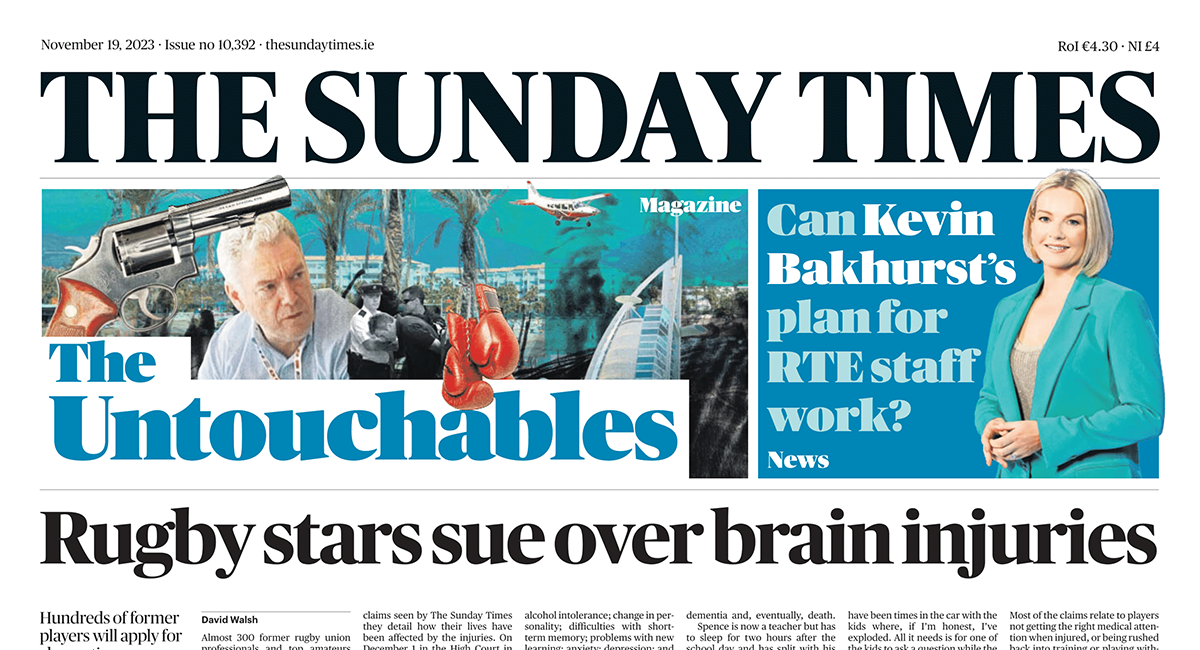
In the sport of target pistol shooting there is a saying, “slow is smooth, smooth is fast”, which refers to the way to approach drawing and firing a pistol quickly and accurately. The learner shooter who focuses on practising the correct technique slowly, only building in speed later, will win the day nine times out of ten.
The Sunday Independent
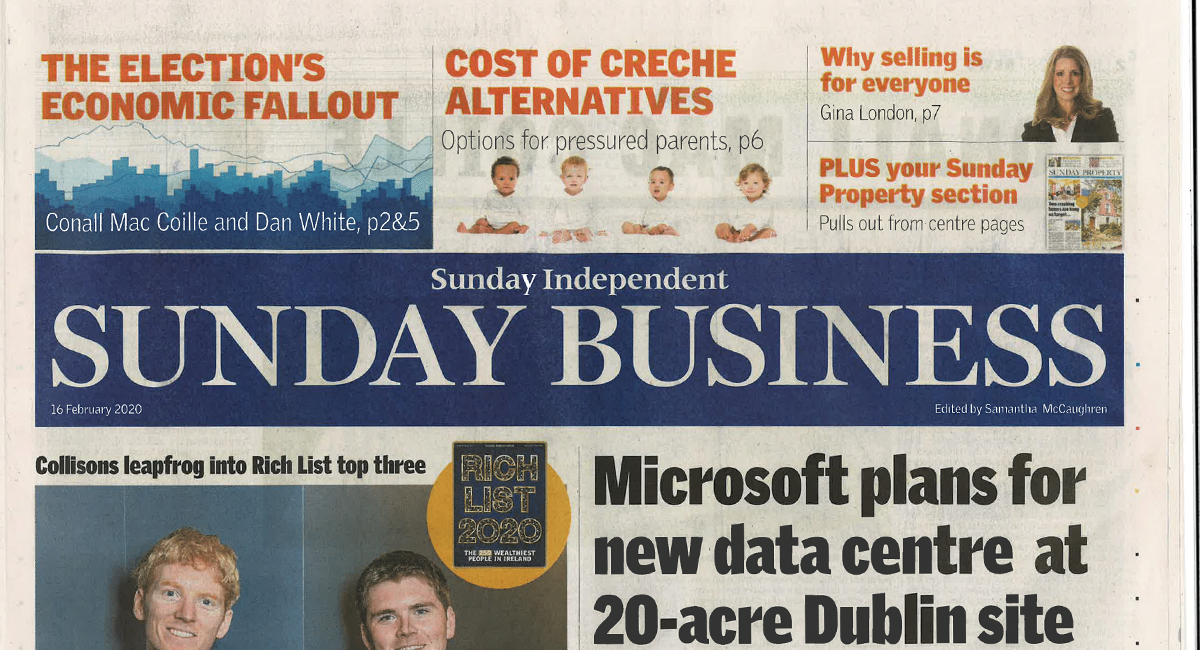
A pension is a term that can seem distant to many, especially if you’re at the beginning of your career. But it is a vital part of long-term financial planning, designed to provide you with a source of income in your retirement years. As the pension landscape continues to evolve, understanding the fundamentals and staying informed about the changes is crucial. So, what do you need to know?
The Sunday Times
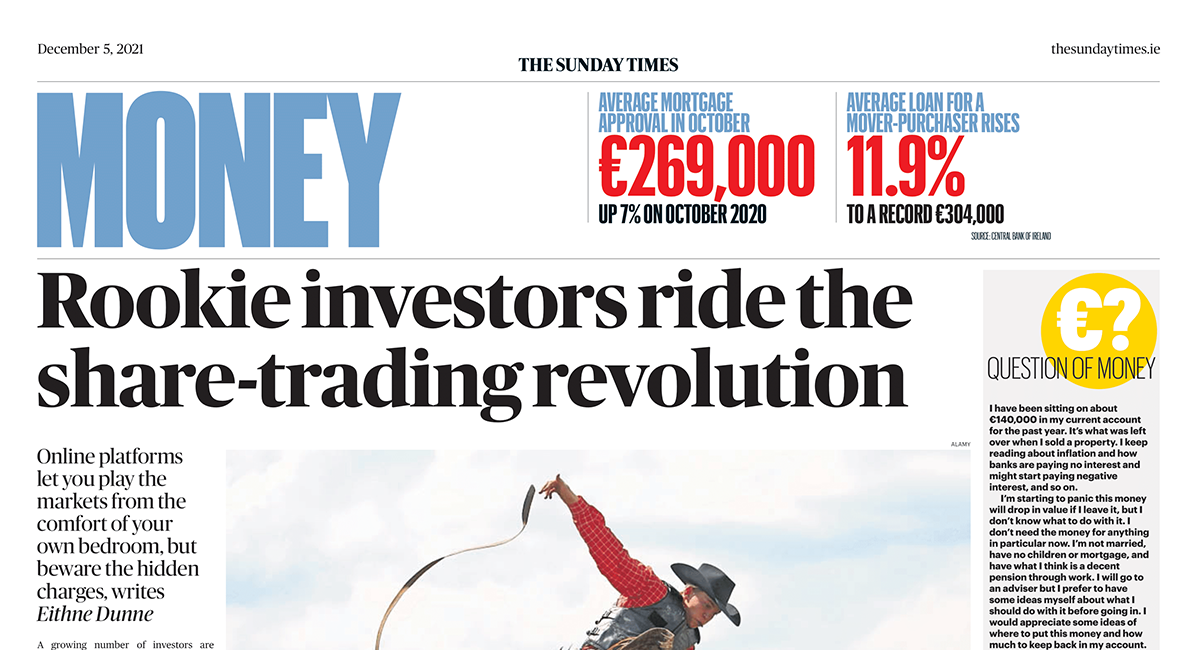
I have been sitting on about €140,000 in my current account for the past year. It’s what was left over when I sold a property. I keep reading about inflation and how banks are paying no interest and might start paying negative interest, and so on.
The Sunday Times
Would-be investors have a difficult decision to make when considering their options. If they are going to increase their wealth, they will need, at a minimum, to beat inflation and whatever they are paying in charges.
Business Post
If you’re at the beginning of your working life or are simply new to pensions, we look at what you need to know
The Sunday Times
The phrase “Morton’s fork” can be traced back to the time of King Henry VII in the 15th century, when John Morton, then the Archbishop of Canterbury and lord chancellor, rationalised that a tax levied by the king was just.
Sunday Independent
Q I HAVE €150,000 which I want to invest for between 10 and 15 years — with a view to using it to fund my retirement in the future. I’m 50 years old. I am interested in property investment and had considered using the lump sum to buy a property outright.
The Sunday Times
If I asked 10 people on the street how long they thought pensions had existed, what do you think they would say? Since the 1960s, the formation of the state, or Victorian times?
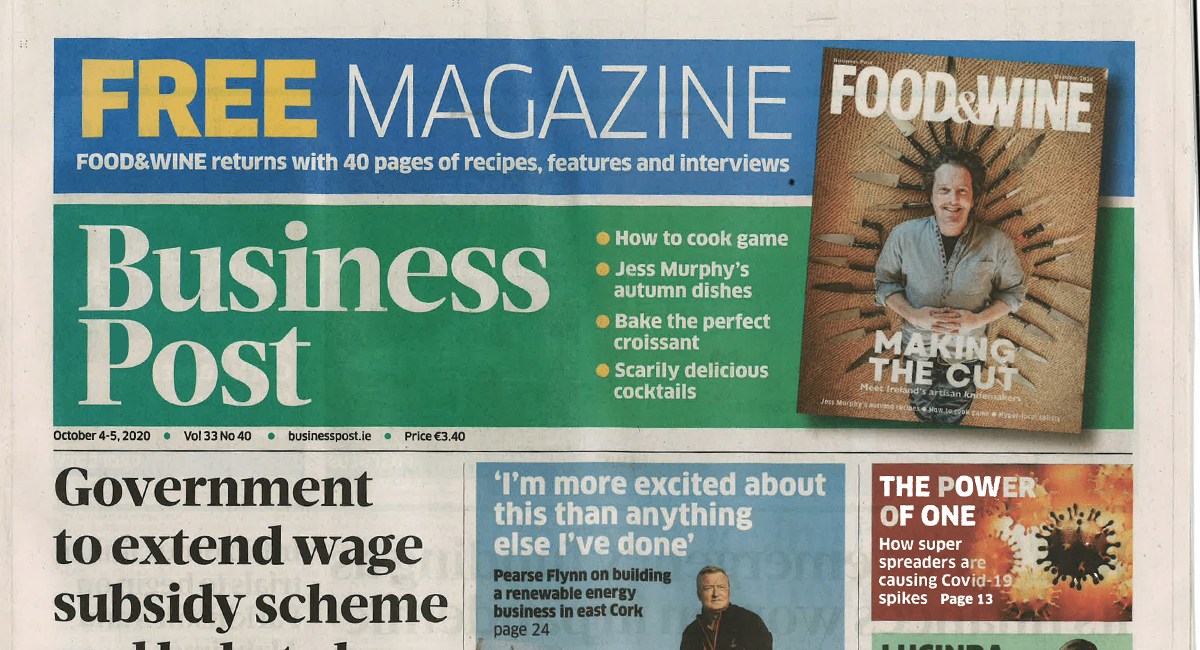
Business Post
No matter how far away you are from retirement, it is always a good time to start a pension or to build up your contributions. And the tax benefits are considerable, writes Siobhán Maguire
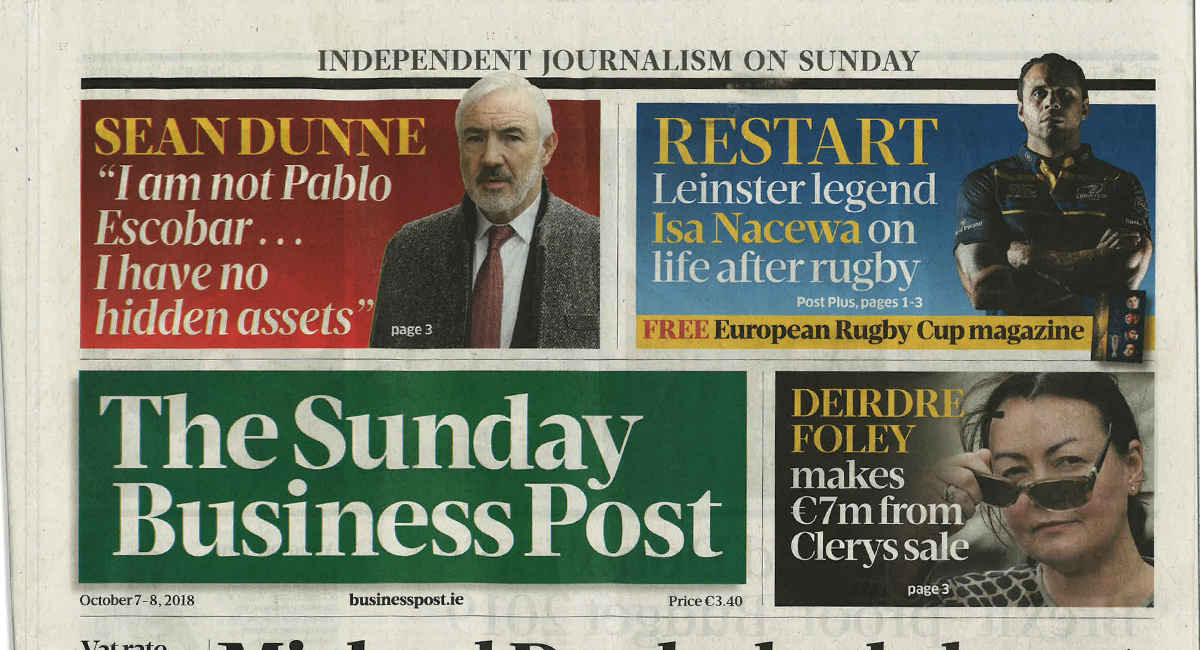
Sunday Business Post
The area of pension guidance can be a minefield, but it’s one which Highfield Financial Planning is happy to negotiate for its clients
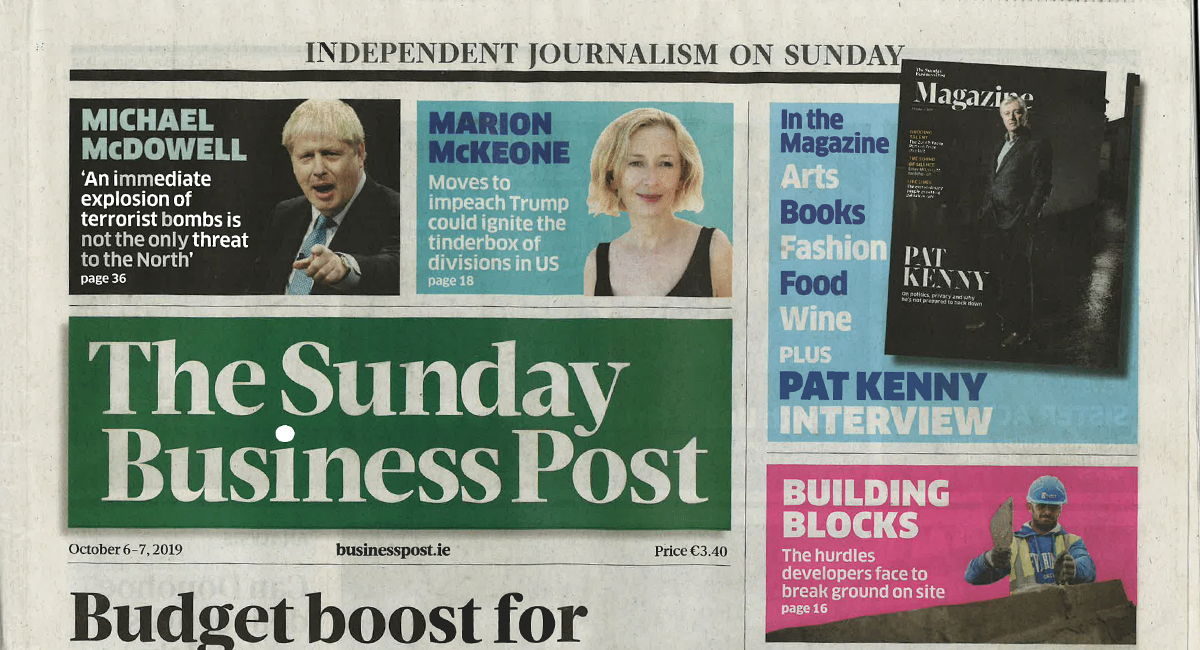
Sunday Business Post
Eoghan Gavigan, a specialist investment adviser and certified financial planner at Highfield Financial Planning, has advice for those looking to start a pension, writes Siobhán Maguire
About Highfield Financial Planning
We provide superior advice on Financial Planning services to business owners, professionals and their families. The principal of the firm Eoghan Gavigan has over 29 years’ experience in banking and finance across Treasury, Lending and Wealth Management and is a Qualified Financial Adviser (QFA) and a Certified Financial Planner (CFP). The CFP qualification is the world’s most respected industry designation, held by only a select number of advisers. As Specialist Investment Advisers we can provide you with detailed investment advice on your pensions and investments.
We want you to be comfortable in your dealings with us. We provide a number of suggestions here for ways that you may be able to obtain comfort that we are the right Financial Planner for you.



Our Process
Why We Changed Our Business To Focus On Financial Planning
Having been involved in Financial Services for over 29 years our experience is that most people feel that they aren’t well served by the traditional financial advice model. Commission based sales creates a huge conflict of interest as in order for a financial adviser to be paid for his work he must sell you a financial product.
Many people who approach us for financial planning services tell us that they feel that what they have been getting is sales, and they want advice.
Our most successful clients use Financial Planning to manage their finances and accumulate wealth. Studies have shown that people who engage in Financial Planning are more on track with their financial affairs and have higher net worths.


Who Is Financial Planning Suitable For?
- You own your own home or are planning to purchase a home soon
- You have surplus income (although you may well feel that it is not being used optimally)
- You may have financial products (pensions, life assurance, investments etc) but they were sold to you by someone who had a target to achieve
- You are interested in developing a cohesive plan to achieve your financial objectives



Want to hear more?
Make contact today and we’ll tell you more about the kind of work we do.
CONTACT USBOOK A VIDEO CALL