
All Things Housing
How Much You Need to Save Before You Apply for a Mortgage
Most people think of the deposit as the only thing they need to save for, but it’s really the starting point. If you’re a first-time buyer, Central Bank rules mean you need a minimum 10% deposit. On a €500,000 home, that’s €50,000. On top of that you’ll need to budget for:
- Stamp duty: 1% of the purchase price on most residential property (rising to 2% on the portion between €1 million and €1.5 million, and 6% above that). On a €300,000 home, that’s €3,000.
- Solicitor’s fees: typically €1,500 to €3,000 plus VAT and outlay (Land Registry fees, searches, etc.).
- Survey/valuation: usually €150 to €400, and most lenders require their own valuation as part of the mortgage process.
- Mortgage protection and home insurance: mortgage protection life cover is a legal requirement for most mortgages in Ireland, and buildings insurance is required before drawdown.
- Furnishing and moving costs: often underestimated, but worth building into your figure from the start.
A realistic rule of thumb is to budget for total upfront costs of 12-14% of the purchase price once stamp duty, legal fees and other costs are added to your deposit. The earlier you build this into your savings plan, the less pressure there is in the final months before drawdown.
Central Bank Mortgage Lending Rules: How Much Can You Actually Borrow?
Every regulated lender in Ireland has to work within two Central Bank limits: Loan-to-Income (LTI) and Loan-to-Value (LTV).
Loan-to-Income:
First-time buyers can borrow up to 4 times gross annual income.
Second and subsequent buyers can borrow up to 3.5 times gross annual income.
For example, a first-time buyer couple earning €50,000 and €45,000 (€95,000 combined) could, in principle, borrow up to €380,000 under the LTI rule. A second-time buyer on the same combined income would be capped closer to €332,500.
Loan-to-Value:
First-time and second-and-subsequent buyers can borrow up to 90% of the property value, meaning a minimum 10% deposit.
Buy-to-let purchases are capped at 70% LTV, meaning a minimum 30% deposit.
Exceptions do exist. Lenders are allowed to go above these limits for a portion of their lending each year.
Government Supports for First-Time Buyers
There are three main state supports worth understanding before you start house hunting.
- Help to Buy scheme
- First Home Scheme
- Local Authority Home Loan
What Lenders Look at Beyond the Central Bank Rules
This is the part many buyers overlook. Meeting the Central Bank’s LTI and LTV limits doesn’t guarantee approval, because every bank also applies its own internal credit criteria on top.
Underwriters typically look closely at:
- Six months of bank statements, checking for consistent saving patterns, unexplained lodgements, gambling transactions, and heavy use of Buy Now Pay Later services.
- Existing debt and credit history, including your Central Credit Register record and any missed payments.
- Employment stability, particularly if you’re in a probationary period, on a fixed-term contract, or self-employed (where lenders generally want two to three years of accounts).
- Repayment capacity, meaning your ability to comfortably absorb the new mortgage repayment alongside your existing outgoings, often stress-tested at a higher notional interest rate.
Having first-hand experience of mortgage underwriting, our advice is to start managing your finances for mortgage approval six to twelve months before you plan to apply, not just once you’ve found a property. Small habits, such as reducing discretionary spending, clearing short-term credit, and showing a consistent monthly saving pattern, make a real difference to how an underwriter views your application.
If you work with us we can show you what to do and what to avoid doing in the lead up to your mortgage application date in order to give yourself the best chance of securing the mortgage you need.
Trading Up: Moving to a Larger Family Home
If you already own your home and are planning to move to something bigger, you’ll be classified as a second-and-subsequent buyer, which brings a lower LTI limit (3.5 times income) but the same 90% LTV limit as first-time buyers.
The main complexity for movers is usually timing. Do you sell first and then buy, or buy before you sell? Bridging finance can help here. You’ll also need to factor in stamp duty on the new purchase, and if there’s a gap between selling and buying, temporary accommodation and moving costs.
If your existing home has been your Principal Private Residence throughout your ownership, any gain on its sale is generally exempt from Capital Gains Tax, which is a useful planning point when weighing up trading up against other options.
Using Your Home to Help Fund Your Retirement
For clients further along the financial lifecycle, the family home is often one of the largest assets on the balance sheet, and there are a few ways it can be brought into a retirement plan:
Downsizing or rightsizing: selling a larger home and buying something smaller releases equity that can supplement pension income, and the Central Bank’s 2026 bridging loan changes were specifically designed to make this move easier for older homeowners.
Equity release: allows you to draw down a tax-free lump sum or income stream secured against your home without moving, though the compounding interest and impact on the eventual estate need careful modelling before proceeding.
Using property as part of a broader cashflow plan: rather than looking at the home in isolation, we typically model it alongside pensions, investments, and other assets to see how it fits your overall retirement objectives.
This is a decision with long-term consequences, so it’s worth having it properly modelled rather than made on assumptions. It’s an area where cashflow planning is particularly useful, since it shows you the real trade-offs between staying put, downsizing, or releasing equity.
Learn more about Financial Planning in this short video;
BOOK A VIDEO CALLCONTACT US NOW
How We Are Different
About Financial Planning
Financial Planning is about aligning your money with your goals. It means deciding what it is you want to achieve in the future and ensuring that your finances are structured optimally and efficiently so that you arrive at each event in your life with the resources you need to fulfil your objectives.
When we model your cashflows we can determine if you are on course to achieve your future objectives. If the graph shows that you aren’t currently on course we’ll give you a step plan of actions to help you to close the gap and show you how the graph changes if you implement these. This can be a powerful tool in motivating you to take the actions which are required to achieve your financial goals.
The service doesn’t stop there. Research by the investment management company Vanguard has shown that investors who have the guidance of an adviser can achieve investment return of up to 3% per year more than unadvised clients. We can be an ongoing resource for you as you work towards achieving your objectives.
Many of our clients tell us that they feel that what they have been getting is sales, and they want advice. Talk to us today about getting real advice.
Check us out in the media here.
CALL US NOWMEDIA
Frequently Asked Questions About Housing and Mortgages in Ireland
How much deposit do I need to buy a house in Ireland?
Under Central Bank rules, both first-time buyers and second-and-subsequent buyers need a minimum 10% deposit (90% LTV limit). Buy-to-let purchases require a minimum 30% deposit. On a €500,000 home, a first-time buyer would need at least €50,000 saved, on top of stamp duty, legal fees, and other purchase costs.
How much can I borrow for a mortgage in Ireland?
Under the Central Bank’s Loan-to-Income rules, first-time buyers can generally borrow up to 4 times their gross annual income, and second-and-subsequent buyers up to 3.5 times. Some lenders can offer exceptions above these limits for a small proportion of borrowers, up to 4.75 times income for first-time buyers in certain cases, but these are limited and not guaranteed.
What is the Help to Buy scheme and how much can I claim?
Help to Buy is a Revenue scheme that refunds the Income Tax and DIRT you’ve paid over the previous four years, up to a maximum of €30,000 or 10% of the purchase price, whichever is lower. It’s only available on new-build homes and self-builds priced at €500,000 or less, and the scheme currently runs to the end of 2029.
How much is stamp duty on a house in Ireland?
Most residential property purchases attract stamp duty of 1% of the purchase price. Above €1 million, the rate rises to 2% on the portion between €1 million and €1.5 million, and 6% on any value above €1.5 million. There is no reduced first-time buyer rate, everyone pays the same rate.
Can I borrow more than four times my income for a mortgage?
In limited cases, yes. Lenders are permitted to grant a small percentage of loans above the standard Central Bank limits each year, which can allow some first-time buyers to access up to 4.75 times income, and second-and-subsequent buyers up to 4.5 times. These exceptions are at the lender’s discretion and are typically reserved for borrowers with strong overall financial profiles.
What is the First Home Scheme and how does it work?
The First Home Scheme is a shared equity scheme where the State, through participating lenders, takes a stake of up to 30% in your new home in exchange for reducing the mortgage you need to borrow. If you’re combining it with Help to Buy, the maximum First Home Scheme contribution drops to 20%. No interest is charged on the State’s stake for the first five years.
What happens if my mortgage application is refused?
A refusal isn’t the end of the road. Your lender must explain the reasons, which gives you the chance to address the issue and reapply, either with the same lender or a different one. If you’re refused by at least two commercial lenders, you may be eligible for the Local Authority Home Loan, a government-backed mortgage aimed at buyers who can’t secure enough finance elsewhere.
Can I use the equity in my home to help fund my retirement?
Yes, there are several routes, including downsizing to a smaller property and releasing the difference, or using an equity release product to draw an income or lump sum without moving. Recent changes to Central Bank bridging loan rules have also made it easier for older homeowners to buy before they sell when downsizing. The right approach depends on your wider retirement plan, so it’s worth having this modelled properly rather than deciding in isolation.
Information correct as at 04/08/2026
CONTACT US
By Telephone 01 546 1100
Use the Form on this Page
Email to [email protected]
Book a Zoom call with us here.
Happy to start the process? Click here to complete a factfind and tell us your objectives
The material and information contained on this website is for general information purposes only. Neither the writer nor Highfield Financial Planning Ltd makes any warranty as to the completeness, accuracy or reliability of the information or the suitability or availability of products or services, referred to on the website, for any purpose. You should not rely on any information contained on this website as a basis for making any financial, legal, taxation or other decision. The information presented does not include all the considerations which are relevant to the topic discussed as to do so would render it un-readable. When considering any financial issue you should seek the advice of a suitably qualified adviser.
BOOK A FREE NO-OBLIGATION CHAT
By Telephone 01 546 1100
Use the Form on this Page
Email to [email protected]
Book a Zoom call with us here.
Happy to start the process? Click here to complete a factfind and tell us your objectives
The material and information contained on this website is for general information purposes only. Neither the writer nor Highfield Financial Planning Ltd makes any warranty as to the completeness, accuracy or reliability of the information or the suitability or availability of products or services, referred to on the website, for any purpose. You should not rely on any information contained on this website as a basis for making any financial, legal, taxation or other decision. The information presented does not include all the considerations which are relevant to the topic discussed as to do so would render it un-readable. When considering any financial issue you should seek the advice of a suitably qualified adviser.
Highfield Financial Planning in the Media
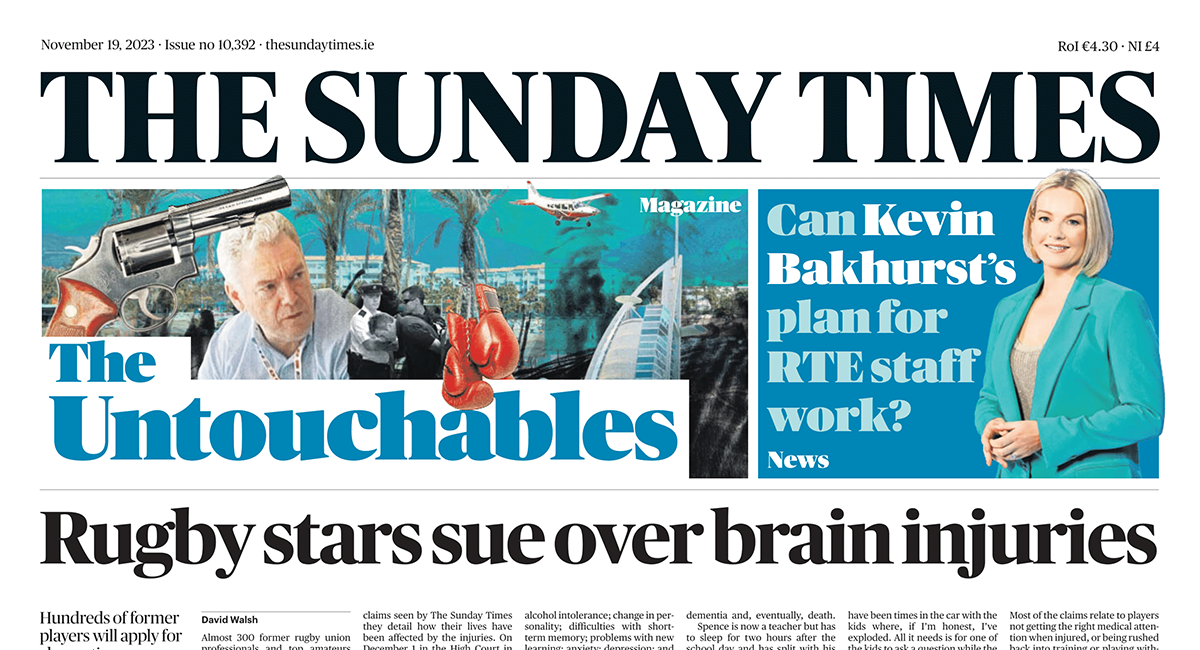
The Sunday Times
In the sport of target pistol shooting there is a saying, “slow is smooth, smooth is fast”, which refers to the way to approach drawing and firing a pistol quickly and accurately. The learner shooter who focuses on practising the correct technique slowly, only building in speed later, will win the day nine times out of ten.
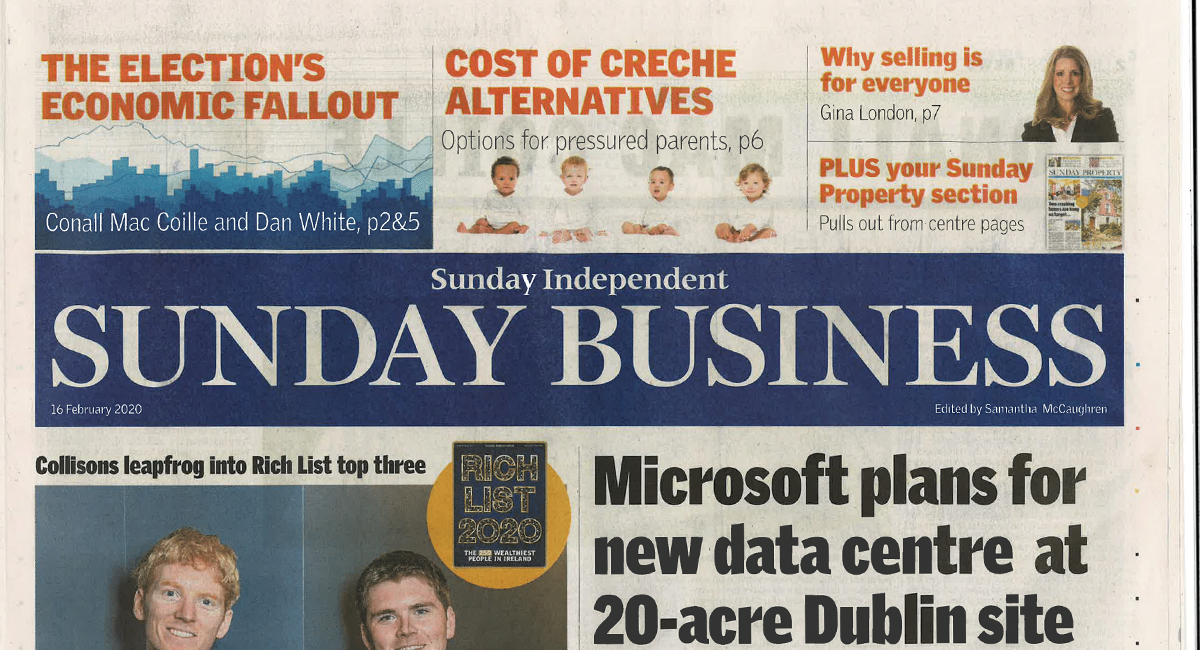
The Sunday Independent
A pension is a term that can seem distant to many, especially if you’re at the beginning of your career. But it is a vital part of long-term financial planning, designed to provide you with a source of income in your retirement years. As the pension landscape continues to evolve, understanding the fundamentals and staying informed about the changes is crucial. So, what do you need to know?
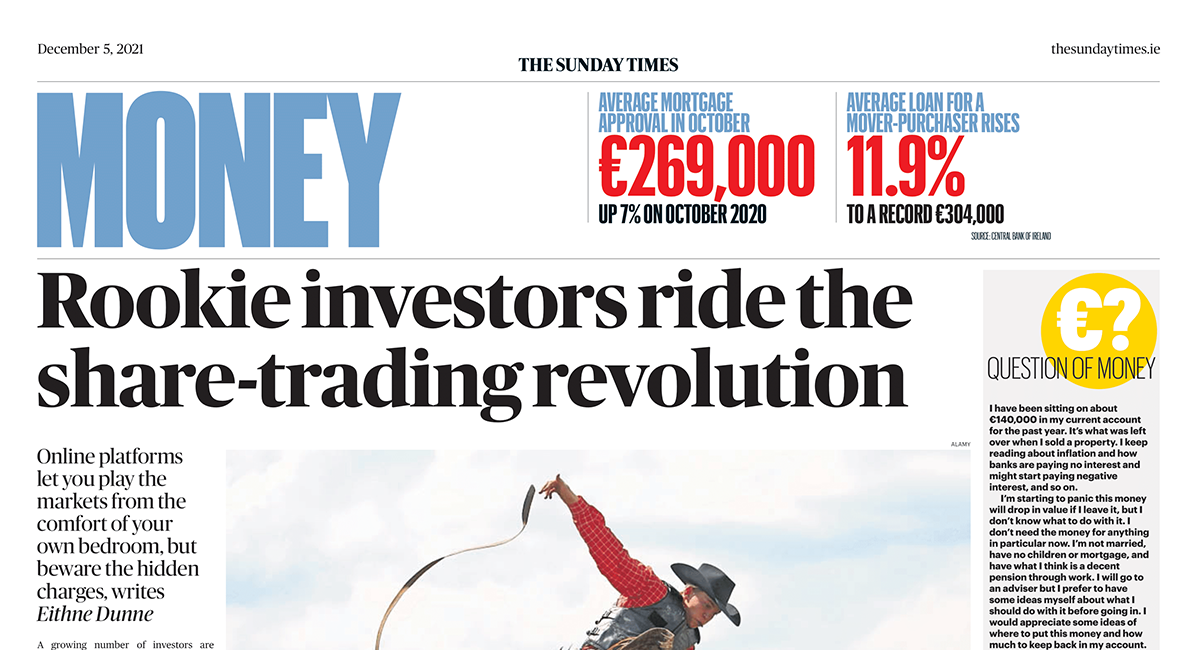
The Sunday Times
I have been sitting on about €140,000 in my current account for the past year. It’s what was left over when I sold a property. I keep reading about inflation and how banks are paying no interest and might start paying negative interest, and so on.
The Sunday Times
Would-be investors have a difficult decision to make when considering their options. If they are going to increase their wealth, they will need, at a minimum, to beat inflation and whatever they are paying in charges.
Business Post
If you’re at the beginning of your working life or are simply new to pensions, we look at what you need to know
The Sunday Times
The phrase “Morton’s fork” can be traced back to the time of King Henry VII in the 15th century, when John Morton, then the Archbishop of Canterbury and lord chancellor, rationalised that a tax levied by the king was just.
Sunday Independent
Q I HAVE €150,000 which I want to invest for between 10 and 15 years — with a view to using it to fund my retirement in the future. I’m 50 years old. I am interested in property investment and had considered using the lump sum to buy a property outright.
The Sunday Times
If I asked 10 people on the street how long they thought pensions had existed, what do you think they would say? Since the 1960s, the formation of the state, or Victorian times?
Business Post
No matter how far away you are from retirement, it is always a good time to start a pension or to build up your contributions. And the tax benefits are considerable, writes Siobhán Maguire
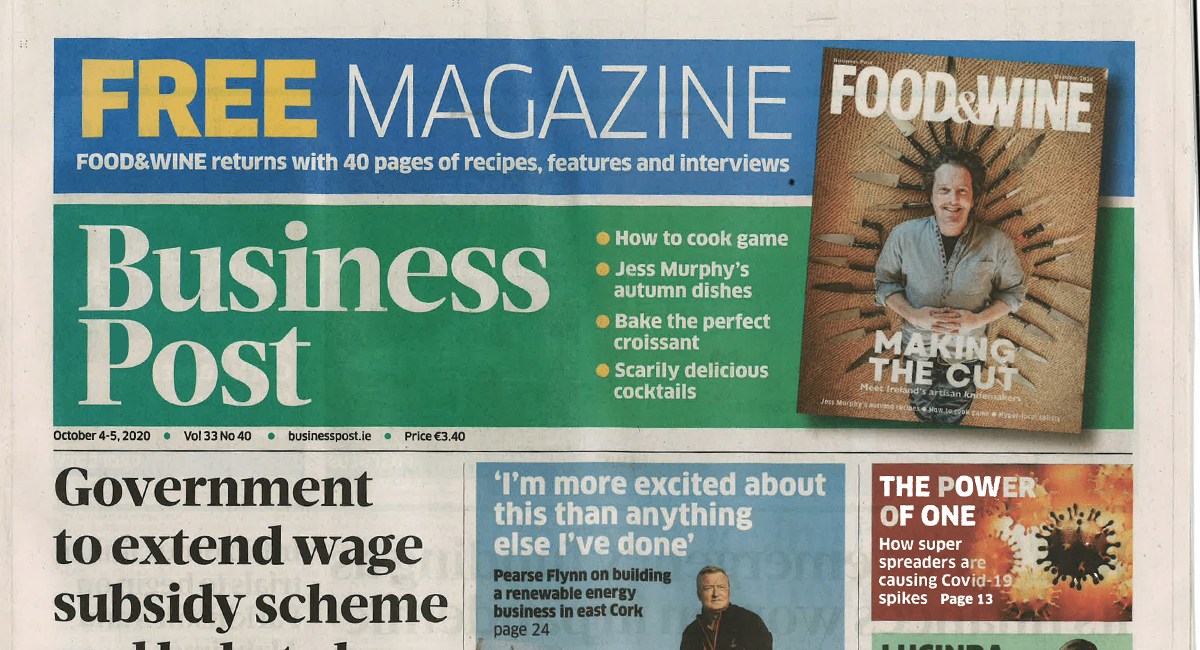
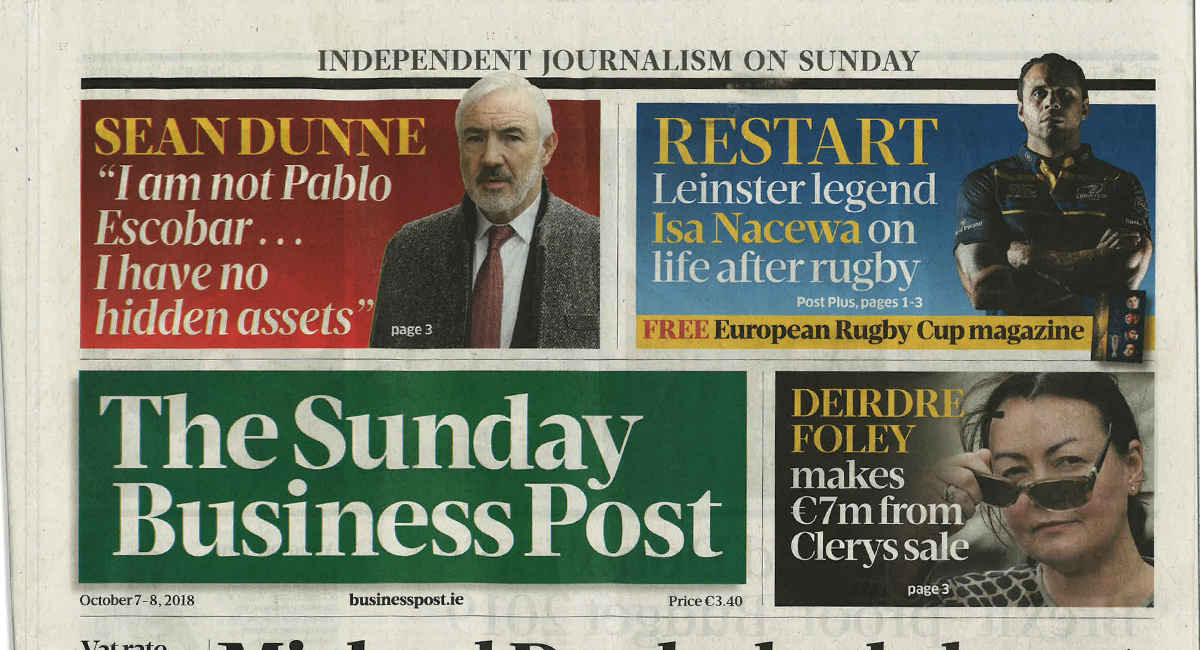
Sunday Business Post
The area of pension guidance can be a minefield, but it’s one which Highfield Financial Planning is happy to negotiate for its clients
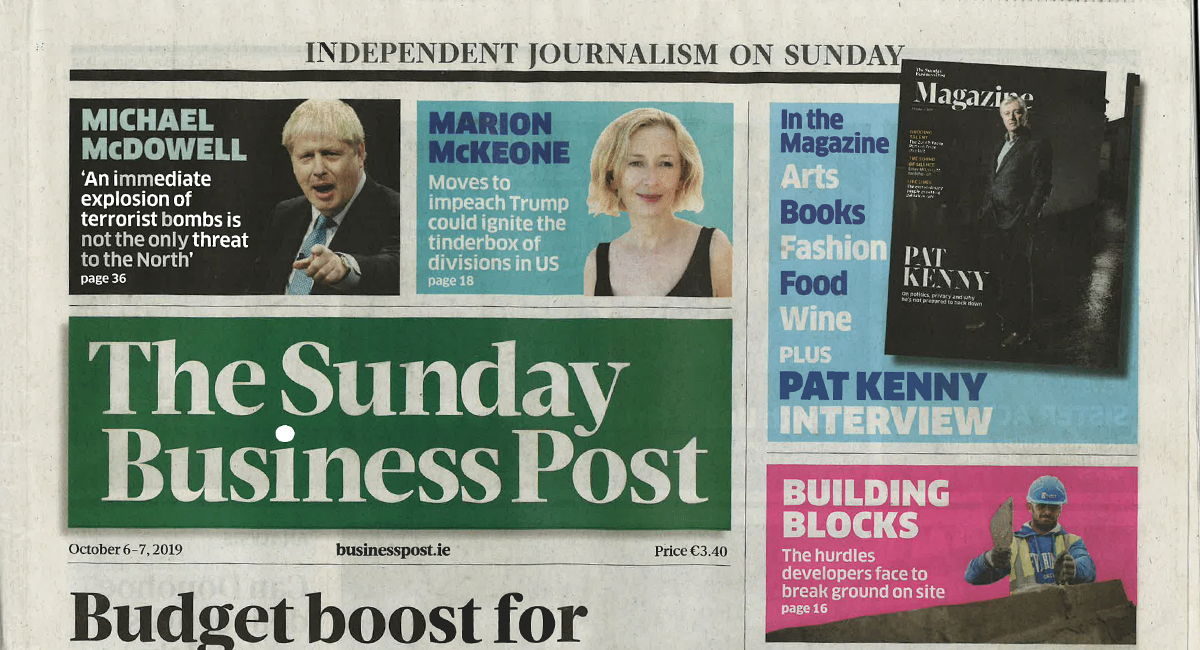
Sunday Business Post
Eoghan Gavigan, a specialist investment adviser and certified financial planner at Highfield Financial Planning, has advice for those looking to start a pension, writes Siobhán Maguire
About Highfield Financial Planning
We provide superior advice on Financial Planning services to business owners, professionals and their families. The principal of the firm Eoghan Gavigan has over 29 years’ experience in banking and finance across Treasury, Lending and Wealth Management and is a Qualified Financial Adviser (QFA) and a Certified Financial Planner (CFP). The CFP qualification is the world’s most respected industry designation, held by only a select number of advisers. As Specialist Investment Advisers we can provide you with detailed investment advice on your pensions and investments.
We want you to be comfortable in your dealings with us. We provide a number of suggestions here for ways that you may be able to obtain comfort that we are the right Financial Planner for you.





Our Process
Why We Changed Our Business To Focus On Financial Planning
Having been involved in Financial Services for over 29 years our experience is that most people feel that they aren’t well served by the traditional financial advice model. Commission based sales creates a huge conflict of interest as in order for a financial adviser to be paid for his work he must sell you a financial product.
Many people who approach us for financial planning services tell us that they feel that what they have been getting is sales, and they want advice.
Our most successful clients use Financial Planning to manage their finances and accumulate wealth. Studies have shown that people who engage in Financial Planning are more on track with their financial affairs and have higher net worths.


Who Is Financial Planning Suitable For?
- You own your own home or are planning to purchase a home soon
- You have surplus income (although you may well feel that it is not being used optimally)
- You may have financial products (pensions, life assurance, investments etc) but they were sold to you by someone who had a target to achieve
- You are interested in developing a cohesive plan to achieve your financial objectives




Want to hear more?
Make contact today and we’ll tell you more about the kind of work we do.
CONTACT USBOOK A VIDEO CALL