
Are you facing redundancy in Ireland?
Whether your redundancy is compulsory or voluntary, the financial decisions you make in the weeks surrounding it can have a significant and lasting impact on your tax position, your retirement income, and your long-term financial wellbeing.
One of the most important, and least understood decisions you will face is what to do about your pension lump sum entitlement.
The Redundancy Waiver – What It Is and Why It Matters
When you are being made redundant as a member of a company pension scheme, you will at some point be asked to sign a form indicating whether you wish to waive your right to a tax-free retirement lump sum from that scheme.
This waiver exists because Revenue provides three possible bases for calculating the tax-free portion of a redundancy payment – the Basic Exemption, the Increased Exemption, and the Standard Capital Superannuation Benefit (SCSB). The interaction between these three figures and your pension lump sum entitlement is what makes the waiver decision so consequential.
In certain circumstances, waiving your pension lump sum can increase the tax-free portion of your redundancy payment. In other circumstances, retaining your pension lump sum and accepting a lower tax-free redundancy amount produces a significantly better long-term financial outcome. The correct answer depends entirely on your individual figures.
The key variables that determine the correct decision include:
- The size of your redundancy payment
- The value of your current pension fund and your projected lump sum at retirement
- Your salary and length of service
- Your age and your target retirement date
- Whether you have previously claimed a redundancy exemption or waiver
Due to the number of variables involved the only valid way to determine the correct decision regarding the waiver is to model your finances in both scenarios.
Check us out in the media by clicking on this image
How a Financial Planner Can Help
This is an area where working with a CFP-qualified financial planner can make a meaningful difference. At Highfield Financial Planning, we use cashflow modelling software to project the long-term financial impact of both options – waiving versus retaining your pension lump sum entitlement – and present both scenarios clearly so that you can make a fully informed decision.
We model your financial trajectory if you retain your right to take a tax free lump sum and we then model a ‘what if’ you waive your right to take a tax free lump sum from the scheme. We present a report on both options to you which shows you which will produce the best outcome in the long term, in a way that is clear and straightforward.
The difference between the right and wrong decision here can easily run to tens of thousands of euro. Getting expert advice before you sign anything is essential.
What Happens to Your Pension When You Leave?
Leaving employment due to redundancy raises additional questions about your pension that also need to be addressed:
- Can you leave your pension in the existing scheme, or must you transfer it?
- Should you transfer to a Personal Retirement Bond (PRB), also known as a Buy-Out Bond?
- Do you have deferred benefits from a defined benefit (DB) scheme that need to be carefully evaluated before any transfer decision is made?
- What are the implications for your Standard Fund Threshold position?
Each of these is a separate decision with its own tax and financial planning implications. Our role is to help you navigate all of them as part of one coherent process.
Have You Already Taken Redundancy in the Past?
If you have previously been made redundant and you are not sure what choice you made regarding the waiver at the time, you should seek advice as a matter of priority – particularly if you are approaching retirement.
In many cases it is possible to recover your right to take a tax-free lump sum from your pension – we can help you investigate your position and, where appropriate, assist you in taking the necessary steps.
Advice You Can Trust
Highfield Financial Planning is an independently owned financial planning firm regulated by the Central Bank of Ireland. Eoghan Gavigan CFP QFA has over 29 years of experience in banking and finance and has helped many clients navigate the financial and tax complexities of redundancy – from the initial waiver decision through to planning for your retirement.
We are not tied to any single product provider, which means our advice is based solely on what is right for your situation.
Contact us now for expert advice
Get in touch for a free, no-obligation conversation. We’ll help you to maximise your finances.
📞 01 546 1100 📧 [email protected] 🗓 Book a video call
Redundancy and Your Pension – Frequently Asked Questions
What is the pension waiver in a redundancy settlement?
When you are made redundant as a member of a company pension scheme, you may be asked to waive your right to take a tax-free lump sum from that pension at retirement. In return, you may be able to increase the tax-free portion of your redundancy payment under Revenue rules. Whether or not this trade-off is in your interest depends entirely on your individual circumstances and requires proper financial modelling before you sign anything.
How much of a redundancy payment is tax-free in Ireland?
Revenue provides three possible bases for calculating the tax-free element of a redundancy payment – the Basic Exemption, the Increased Exemption, and the Standard Capital Superannuation Benefit (SCSB). Each is calculated differently and each interacts with your pension lump sum entitlement in a different way. Revenue applies whichever produces the highest tax-free figure for your circumstances. A qualified adviser or tax professional should always carry out this calculation before you make any decision about the waiver.
What is the Standard Capital Superannuation Benefit (SCSB) and how does it affect my redundancy tax?
The SCSB is a Revenue formula that can allow employees with longer service and higher earnings to shelter a larger portion of their redundancy payment from tax than the Basic or Increased Exemption would provide. Critically, the SCSB is reduced by the net present value of any tax-free pension lump sum you are entitled to receive from that employment. If you waive your pension lump sum entitlement, this reduction does not apply, which can produce a significantly higher tax-free redundancy amount. Because the SCSB interacts directly with the waiver decision, it is essential that both scenarios are modelled before you decide.
Should I waive my right to a pension lump sum when taking redundancy?
Unfortunately people sometimes make a guesstimate at the correct choice, sometimes based on what a colleague has decided. There is no universal answer. The right choice depends on the size of your redundancy payment, your salary, your length of service, the projected value of your pension lump sum at retirement, your age, and your tax position. At Highfield Financial Planning, we model both scenarios using cashflow planning software and present the net financial outcome of each option so you can make a fully informed decision.
What happens to my pension if I am made redundant?
If you are a member of a company pension scheme and you leave employment due to redundancy, you will generally have options including leaving your pension as a deferred benefit in the existing scheme – subject to scheme rules – or transferring it to a Personal Retirement Bond (PRB). If you are a member of a defined benefit scheme, the decision to transfer requires particularly careful consideration. The best course of action depends on your age, the type of scheme, the projected benefits, and your broader retirement plan.
What is a Personal Retirement Bond and when should I consider one?
A Personal Retirement Bond (PRB), also called a Buy-Out Bond, is an individual pension contract set up in your name to receive a transfer value from a company pension scheme when you leave employment. It is a product which is used to store a pension – you can’t make contributions to it in the future. It places full control of the investment in your hands and removes your dependence on the scheme’s ongoing solvency and investment strategy. PRBs are appropriate in many redundancy situations, but whether one is right for you depends on the type of scheme you are leaving and the terms being offered.
Can I access my pension early if I am made redundant?
In general, you cannot access your pension early simply because you have been made redundant. The normal earliest retirement age for most occupational pension arrangements in Ireland is 50, subject to the scheme rules. If you are aged 50 or over and you leave service, you may be able to access your pension benefits immediately. If you are under 50, you will only be able to access your pension if you retired due to ill health.
I was made redundant in the past and I am not sure what I signed. What should I do?
If you are unsure whether you waived your pension lump sum entitlement at the time of a previous redundancy, you should seek advice as a matter of priority, particularly if you are approaching retirement. In some circumstances it is possible to recover your entitlement. Contact us and we can investigate your position.
Do I need a financial planner when taking redundancy?
You are not required to use a financial planner, but given the complexity of the decisions involved – the waiver, the three possible exemption calculations, the pension transfer, and the impact on your long-term retirement plan – taking professional advice is strongly recommended. The cost of getting these decisions wrong can significantly outweigh the cost of advice. Highfield Financial Planning offers an initial no-obligation consultation so you can understand the cost before committing to anything.
CONTACT US
By Telephone 01 546 1100
Use the Form on this Page
Email to [email protected]
Book a Zoom call with us here.
Happy to start the process? Click here to complete a factfind and tell us your objectives
The material and information contained on this website is for general information purposes only. Neither the writer nor Highfield Financial Planning Ltd makes any warranty as to the completeness, accuracy or reliability of the information or the suitability or availability of products or services, referred to on the website, for any purpose. You should not rely on any information contained on this website as a basis for making any financial, legal, taxation or other decision. The information presented does not include all the considerations which are relevant to the topic discussed as to do so would render it un-readable. When considering any financial issue you should seek the advice of a suitably qualified adviser.
BOOK A FREE NO-OBLIGATION CHAT
By Telephone 01 546 1100
Use the Form on this Page
Email to [email protected]
Book a Zoom call with us here.
Happy to start the process? Click here to complete a factfind and tell us your objectives
The material and information contained on this website is for general information purposes only. Neither the writer nor Highfield Financial Planning Ltd makes any warranty as to the completeness, accuracy or reliability of the information or the suitability or availability of products or services, referred to on the website, for any purpose. You should not rely on any information contained on this website as a basis for making any financial, legal, taxation or other decision. The information presented does not include all the considerations which are relevant to the topic discussed as to do so would render it un-readable. When considering any financial issue you should seek the advice of a suitably qualified adviser.
Highfield Financial Planning in the Media
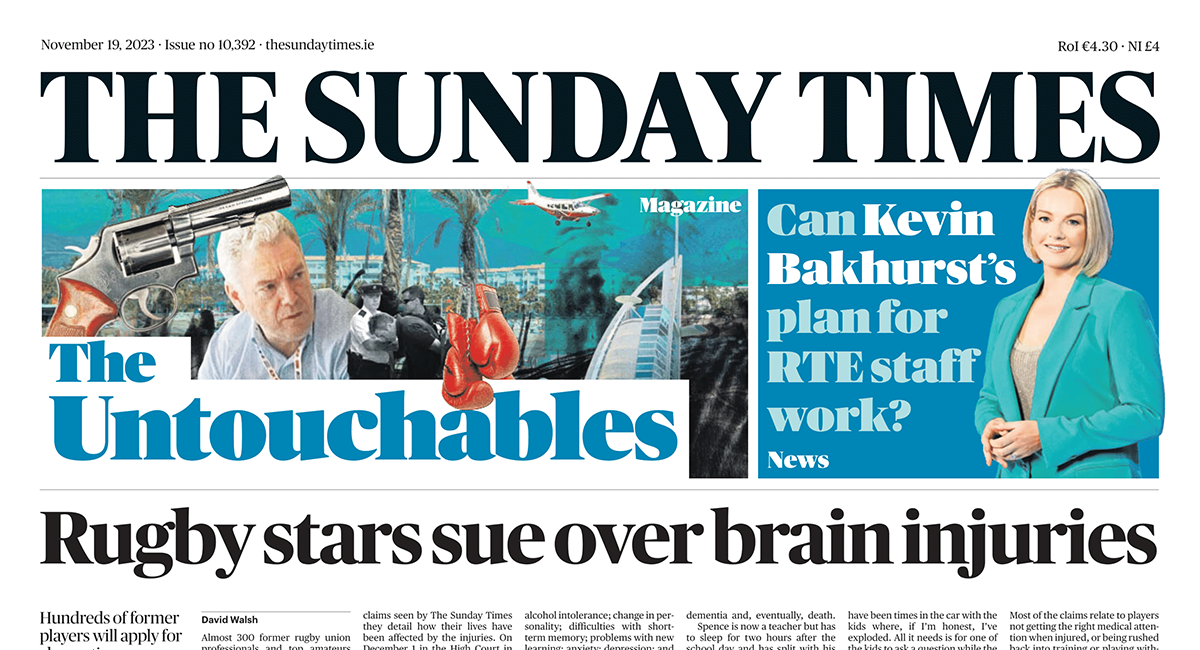
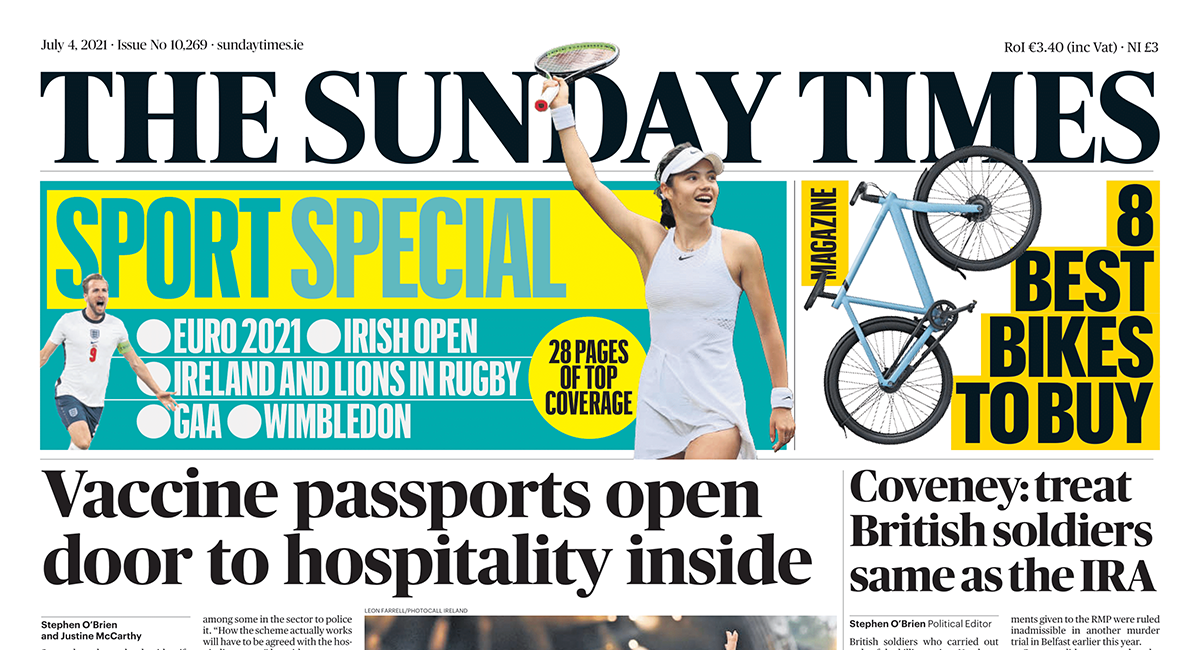
The Sunday Times
In the sport of target pistol shooting there is a saying, “slow is smooth, smooth is fast”, which refers to the way to approach drawing and firing a pistol quickly and accurately. The learner shooter who focuses on practising the correct technique slowly, only building in speed later, will win the day nine times out of ten.
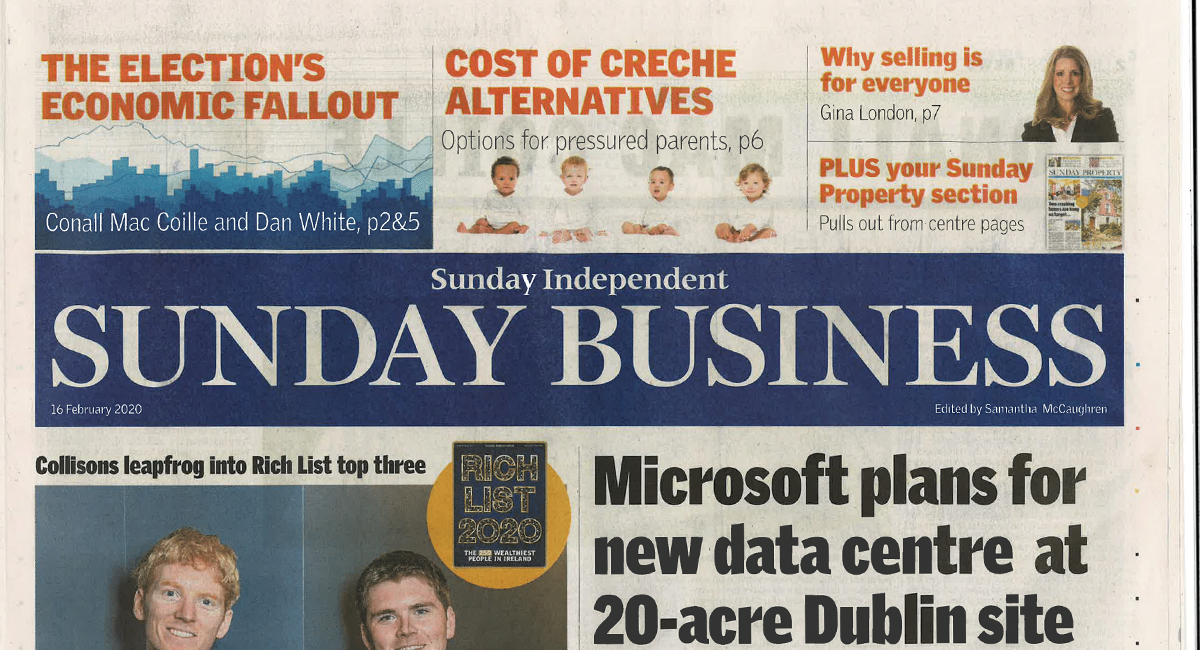
The Sunday Independent
A pension is a term that can seem distant to many, especially if you’re at the beginning of your career. But it is a vital part of long-term financial planning, designed to provide you with a source of income in your retirement years. As the pension landscape continues to evolve, understanding the fundamentals and staying informed about the changes is crucial. So, what do you need to know?
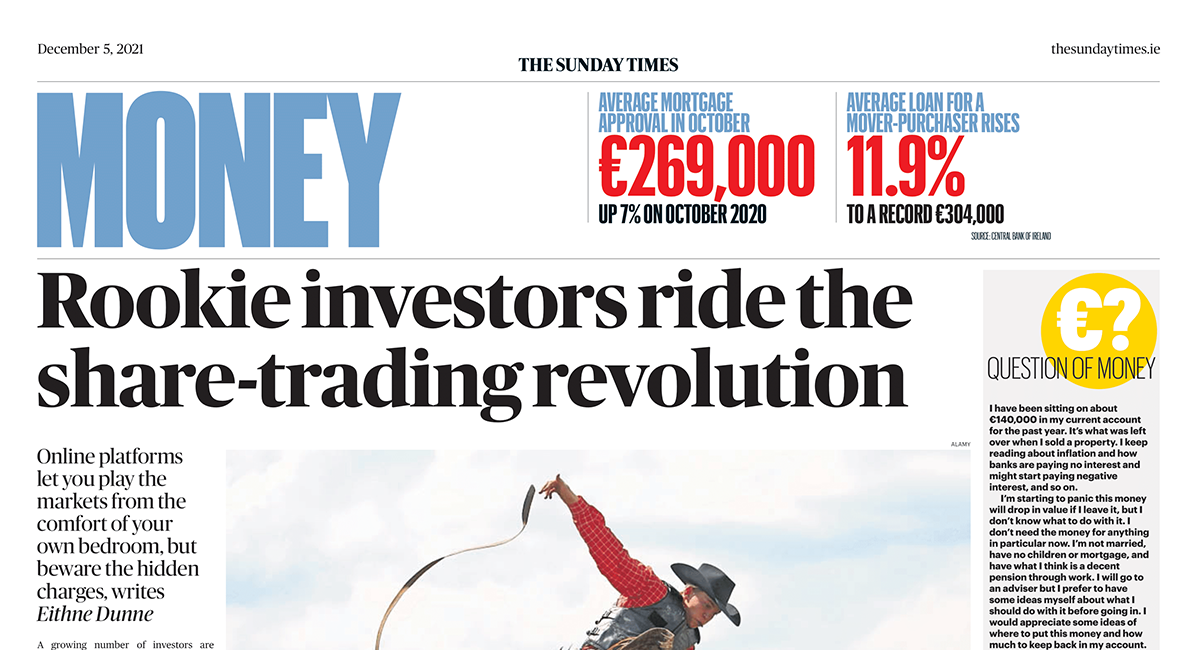
The Sunday Times
I have been sitting on about €140,000 in my current account for the past year. It’s what was left over when I sold a property. I keep reading about inflation and how banks are paying no interest and might start paying negative interest, and so on.
The Sunday Times
Would-be investors have a difficult decision to make when considering their options. If they are going to increase their wealth, they will need, at a minimum, to beat inflation and whatever they are paying in charges.
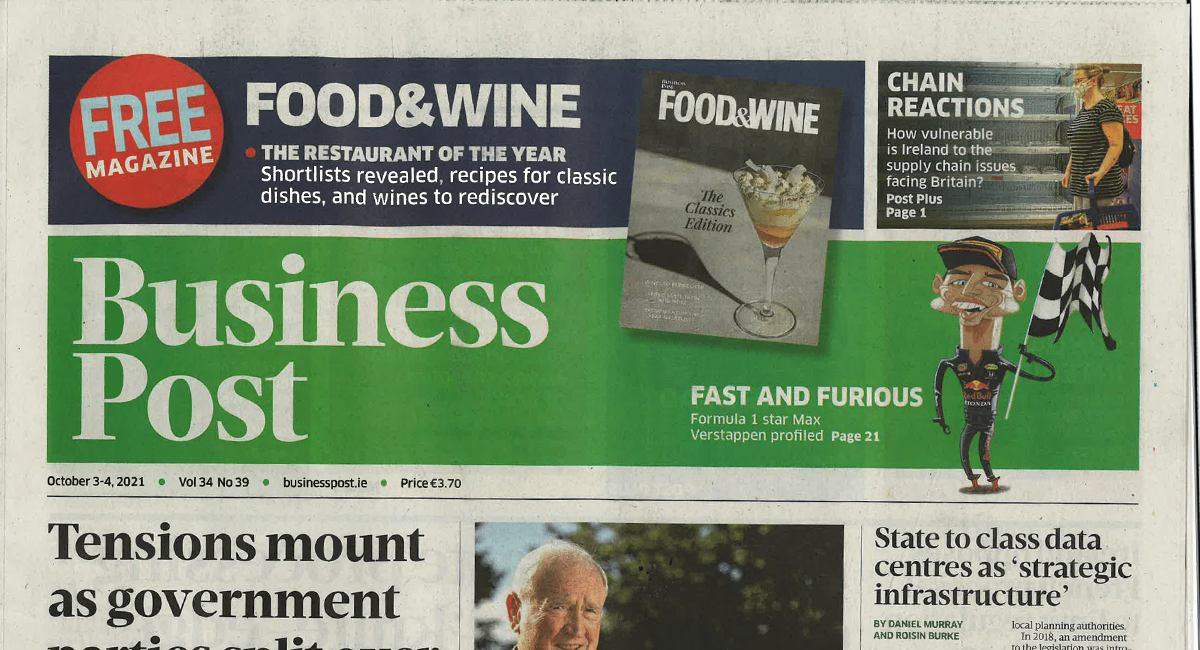
Business Post
If you’re at the beginning of your working life or are simply new to pensions, we look at what you need to know
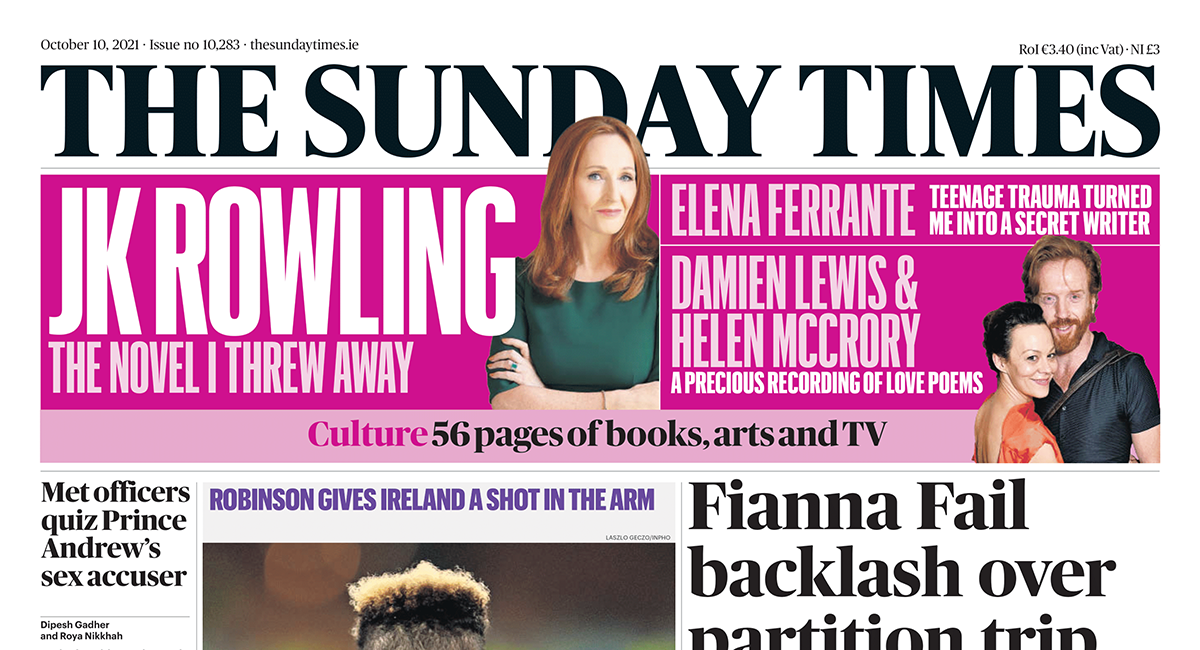
The Sunday Times
The phrase “Morton’s fork” can be traced back to the time of King Henry VII in the 15th century, when John Morton, then the Archbishop of Canterbury and lord chancellor, rationalised that a tax levied by the king was just.
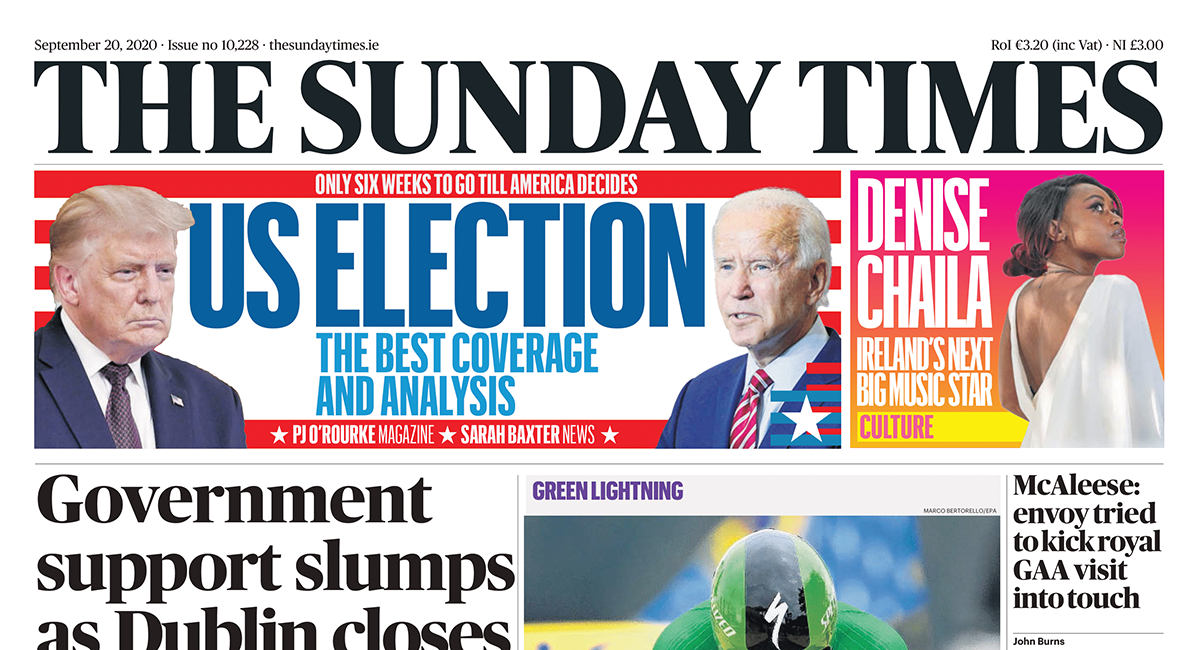
Sunday Independent
Q I HAVE €150,000 which I want to invest for between 10 and 15 years — with a view to using it to fund my retirement in the future. I’m 50 years old. I am interested in property investment and had considered using the lump sum to buy a property outright.
The Sunday Times
If I asked 10 people on the street how long they thought pensions had existed, what do you think they would say? Since the 1960s, the formation of the state, or Victorian times?
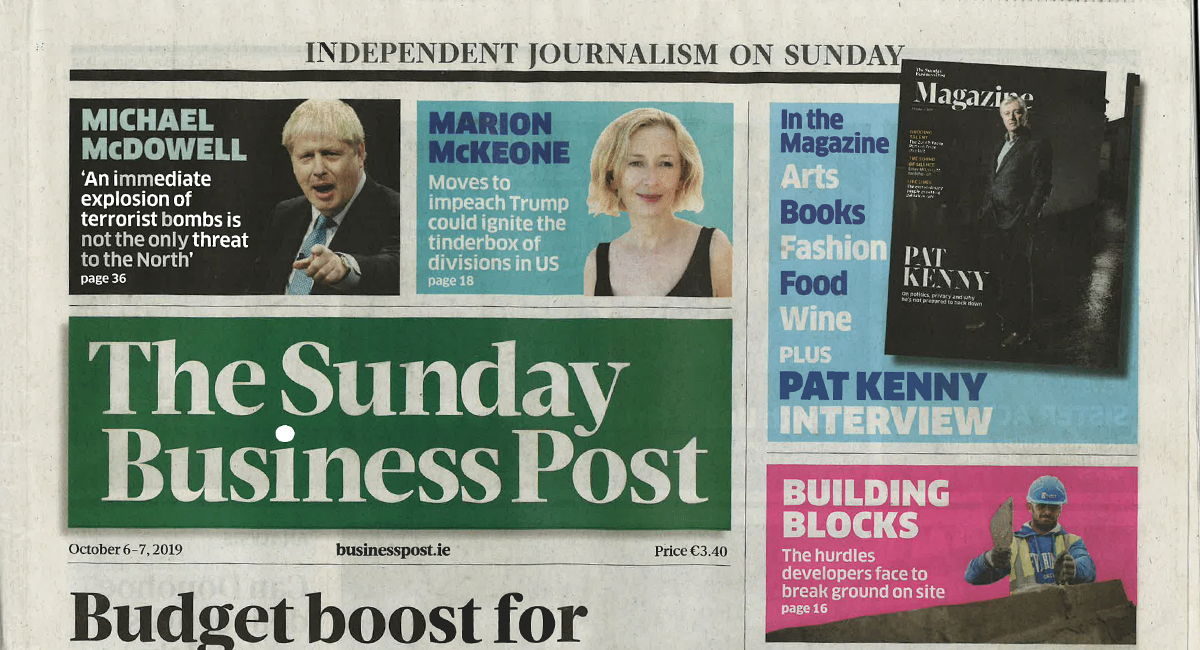
Business Post
No matter how far away you are from retirement, it is always a good time to start a pension or to build up your contributions. And the tax benefits are considerable, writes Siobhán Maguire
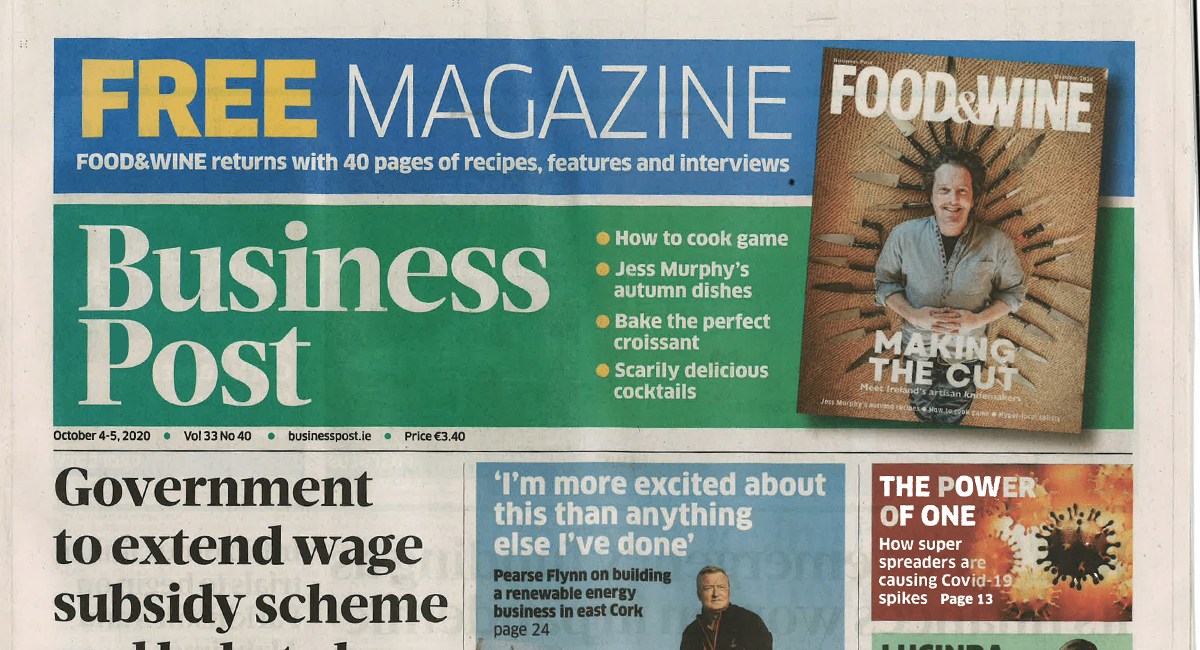
Sunday Business Post
The area of pension guidance can be a minefield, but it’s one which Highfield Financial Planning is happy to negotiate for its clients
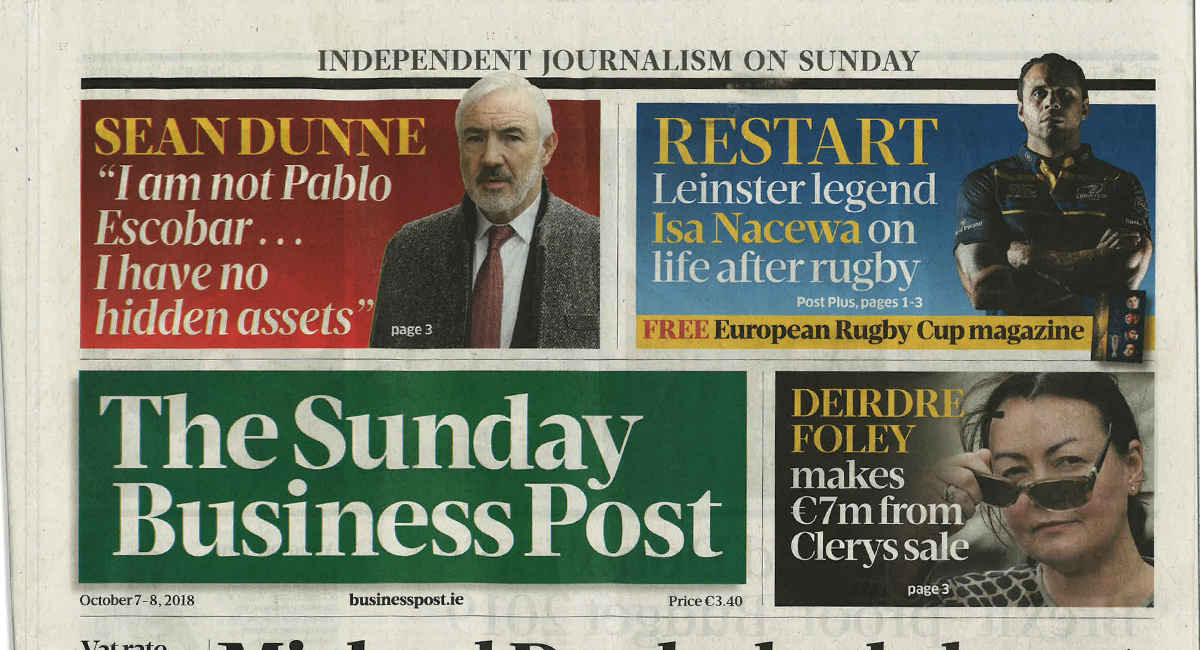
Sunday Business Post
Eoghan Gavigan, a specialist investment adviser and certified financial planner at Highfield Financial Planning, has advice for those looking to start a pension, writes Siobhán Maguire
About Highfield Financial Planning
We provide superior advice on Financial Planning services to business owners, professionals and their families. The principal of the firm Eoghan Gavigan has over 29 years’ experience in banking and finance across Treasury, Lending and Wealth Management and is a Qualified Financial Adviser (QFA) and a Certified Financial Planner (CFP). The CFP qualification is the world’s most respected industry designation, held by only a select number of advisers. As Specialist Investment Advisers we can provide you with detailed investment advice on your pensions and investments.
We want you to be comfortable in your dealings with us. We provide a number of suggestions here for ways that you may be able to obtain comfort that we are the right Financial Planner for you.







Want to hear more?
Make contact today and we’ll tell you more about the kind of work we do.
CONTACT USBOOK A VIDEO CALL