
What to Do With an Old Pension From a Previous Employer
Many people in Ireland have any old pension they’ve lost track of – here’s how to take back control
Changing jobs is a normal part of working life in Ireland. But what happens to the pension you built up with a previous employer? In most cases, it stays behind – sitting in a scheme you no longer monitor, invested in funds you didn’t choose, and managed by trustees who have no particular reason to chase you down.
Pension providers consistently report that engagement with deferred benefits – pensions left behind after leaving an employer – falls sharply once the employment relationship ends. For many people, an old pension is their largest financial asset outside of their home, yet it receives the least attention.
At Highfield Financial Planning, we help people across Ireland trace, review and take control of their old pension benefits. Whether you have one old pension or several from different employers, we’ll give you a clear picture of what you have and what your options are.
Check us out in the media by clicking on this image
What Happens to Your Pension When You Leave an Employer?
When you leave a job in Ireland, your pension doesn’t disappear – but it does become a deferred benefit within your former employer’s scheme. At that point, you have a few options, depending on the rules of the scheme and how long you were a member:
- Leave it where it is as a preserved benefit and take it at normal retirement age
- Transfer it to your new employer’s scheme, if the new scheme accepts transfers
- Transfer it to a Personal Retirement Bond (PRB), also known as a Buy-Out Bond — a pension in your own name, independent of any employer
- Transfer it to a PRSA, subject to the scheme rules
For most people the practical answer is to transfer to a PRB or similar vehicle, so you have full visibility and control over your own retirement pot.
Excellent service provided by Eoghan since I took the decision to take my pension out of the Banks and use a financial advisor to help me maximise incomes from the market. He is always attentive and quick to offer current valuable advice. Happy to recommend Eoghan to anyone interested in getting sound financial advice. Google Review by Niall Hearn – check out this and our other Google reviews.
Why Old Pensions Get Forgotten
It’s not negligence – it’s human nature. When you move jobs, the focus is on the new role. Pension paperwork gets filed away or goes missing when you move house.
Providers merge, schemes change administrators, and contact details go out of date.
The result: a significant amount of money sitting in a fund you’ve forgotten about, growing (or not growing) in a default investment strategy that may no longer be right for your age or risk profile.
The Case for Transferring to a Personal Retirement Bond
A Personal Retirement Bond (PRB) puts your pension in your own name. It moves with you when you change jobs, isn’t tied to your former employer’s scheme, and gives you the flexibility to choose your own investment strategy and review it regularly.
Key advantages include:
- Full transparency – you can see clearly how your fund is performing at any time
- Wider investment choice – access a broader range of funds and tailor your risk exposure as you approach retirement
- Independent control – no need to involve your former employer or scheme trustees when making changes or drawing down benefits
- Nominated beneficiary – you can formally nominate who receives your fund in the event of your death, rather than leaving this to scheme trustees
- Detailed retirement planning advice – if you use us for your retirement planning we can provide you with advice on the adequacy of your pension funds and advice on the level of Additional Voluntary Contributions you need to make to achieve your retirement planning objectives
What About Tracing an Old Pension You’ve Lost Track Of?
If you’ve lost the details of an old pension — perhaps from a role you held many years ago — you’re not alone. The first step is to contact your former employer’s HR or payroll department and ask for details of the pension scheme. If the company no longer exists or has been taken over, the Pensions Authority in Ireland maintains a register of occupational pension schemes that can help you trace it.
We can guide you through this process and, once the pension is traced, advise you on the best course of action.
How Highfield Financial Planning Can Help
We work with clients across Ireland who have old pensions from one or more previous employers. Our process is straightforward:
1. Review — we obtain the current value and terms of your deferred benefits
2. Analyse — we assess whether transferring makes sense based on your overall retirement position
3. Advise — we recommend the most appropriate structure for your circumstances
4. Implement — we handle the paperwork and manage the transfer on your behalf
5. Plan — we integrate your old pension into a full retirement plan, so you can see exactly where you stand and what you need to do to reach your target income in retirement
Our principal, Eoghan Gavigan CFP® QFA, has over 29 years’ experience in financial services and specialises in retirement planning for employees, professionals and business owners across Ireland.
Frequently Asked Questions
Can I transfer my old employer pension to a new pension?
Yes, in most cases. When you leave an employer in Ireland, you can transfer your deferred pension benefit to a Personal Retirement Bond (PRB), to your new employer’s occupational scheme (if it accepts transfers), or in some cases to a PRSA. The right option depends on your scheme rules and what you want to do with your pensions in the future.
What is a Personal Retirement Bond?
A Personal Retirement Bond (PRB) — also called a Buy-Out Bond – is a pension policy held in your own name which can be used to store a pension from an old employment. It’s set up when you transfer deferred benefits from a former employer’s occupational pension scheme. It gives you full ownership and control over your pension fund, with the ability to choose your own investments and manage your retirement on your own terms.
How do I find out how much my old pension is worth?
Contact your former employer’s HR or payroll department and ask for the name of the pension scheme and the contact details of the scheme administrator. The administrator will be able to provide you with a current transfer value. If the company no longer exists, the Pensions Authority register of occupational pension schemes may help you trace it.
What if I have several old pensions from different jobs?
This is very common. Each pension can be reviewed individually and, where appropriate, transferred into a PRB or consolidated into a single structure. Before consolidating, it’s important to check that no valuable guarantees (such as a defined benefit entitlement) would be lost in the transfer. We’ll assess each pension on its merits before making any recommendation.
Is it always better to transfer an old pension?
Not necessarily. If your deferred benefit in a defined benefit (DB) scheme is significant – particularly if the scheme is well-funded and offers a guaranteed income in retirement – it may be worth preserving rather than transferring.
How long does it take to transfer an old pension?
Timelines vary depending on the scheme and the administrators involved, but most transfers take between 6 and 12 weeks once all paperwork is in order. We handle the process on your behalf and keep you updated throughout.
Ready to Take Control of Your Old Pension?
Get in touch for a free, no-obligation conversation. We’ll help you find out what you have, what your options are, and what the most sensible next step looks like for your situation.
📞 01 546 1100 📧 [email protected] 🗓 Book a video call
CONTACT US
By Telephone 01 546 1100
Use the Form on this Page
Email to [email protected]
Book a Zoom call with us here.
Happy to start the process? Click here to complete a factfind and tell us your objectives
The material and information contained on this website is for general information purposes only. Neither the writer nor Highfield Financial Planning Ltd makes any warranty as to the completeness, accuracy or reliability of the information or the suitability or availability of products or services, referred to on the website, for any purpose. You should not rely on any information contained on this website as a basis for making any financial, legal, taxation or other decision. The information presented does not include all the considerations which are relevant to the topic discussed as to do so would render it un-readable. When considering any financial issue you should seek the advice of a suitably qualified adviser.
BOOK A FREE NO-OBLIGATION CHAT
By Telephone 01 546 1100
Use the Form on this Page
Email to [email protected]
Book a Zoom call with us here.
Happy to start the process? Click here to complete a factfind and tell us your objectives
The material and information contained on this website is for general information purposes only. Neither the writer nor Highfield Financial Planning Ltd makes any warranty as to the completeness, accuracy or reliability of the information or the suitability or availability of products or services, referred to on the website, for any purpose. You should not rely on any information contained on this website as a basis for making any financial, legal, taxation or other decision. The information presented does not include all the considerations which are relevant to the topic discussed as to do so would render it un-readable. When considering any financial issue you should seek the advice of a suitably qualified adviser.
Highfield Financial Planning in the Media
The Sunday Times
In the sport of target pistol shooting there is a saying, “slow is smooth, smooth is fast”, which refers to the way to approach drawing and firing a pistol quickly and accurately. The learner shooter who focuses on practising the correct technique slowly, only building in speed later, will win the day nine times out of ten.
The Sunday Independent
A pension is a term that can seem distant to many, especially if you’re at the beginning of your career. But it is a vital part of long-term financial planning, designed to provide you with a source of income in your retirement years. As the pension landscape continues to evolve, understanding the fundamentals and staying informed about the changes is crucial. So, what do you need to know?
The Sunday Times
I have been sitting on about €140,000 in my current account for the past year. It’s what was left over when I sold a property. I keep reading about inflation and how banks are paying no interest and might start paying negative interest, and so on.
The Sunday Times
Would-be investors have a difficult decision to make when considering their options. If they are going to increase their wealth, they will need, at a minimum, to beat inflation and whatever they are paying in charges.

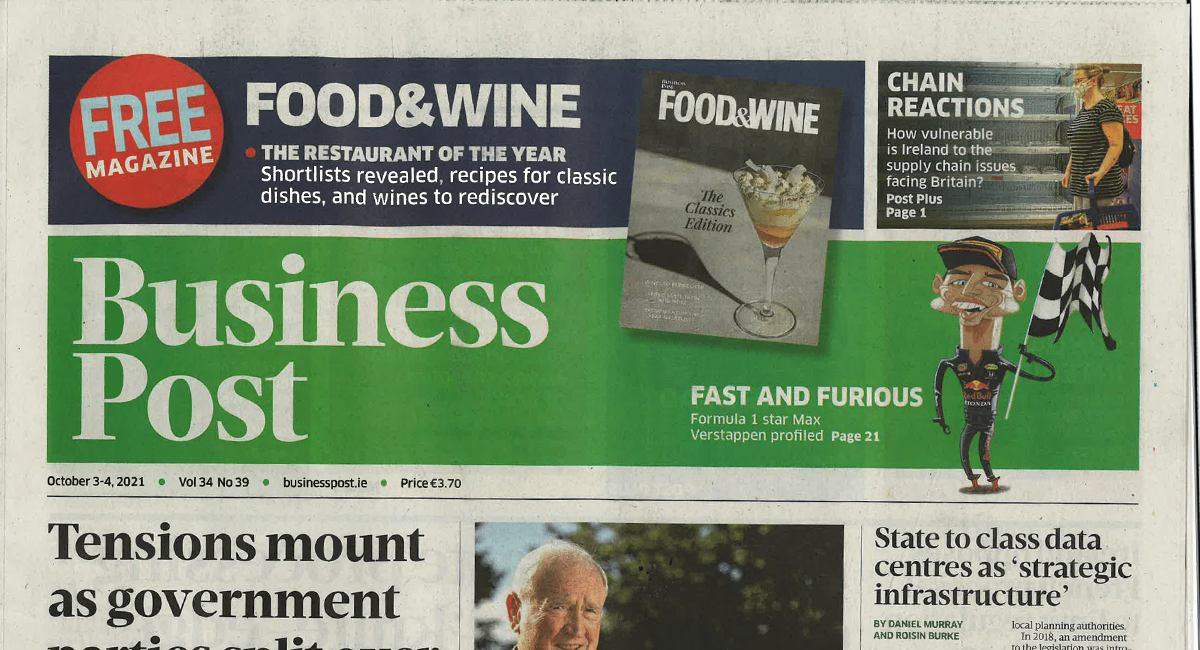
Business Post
If you’re at the beginning of your working life or are simply new to pensions, we look at what you need to know
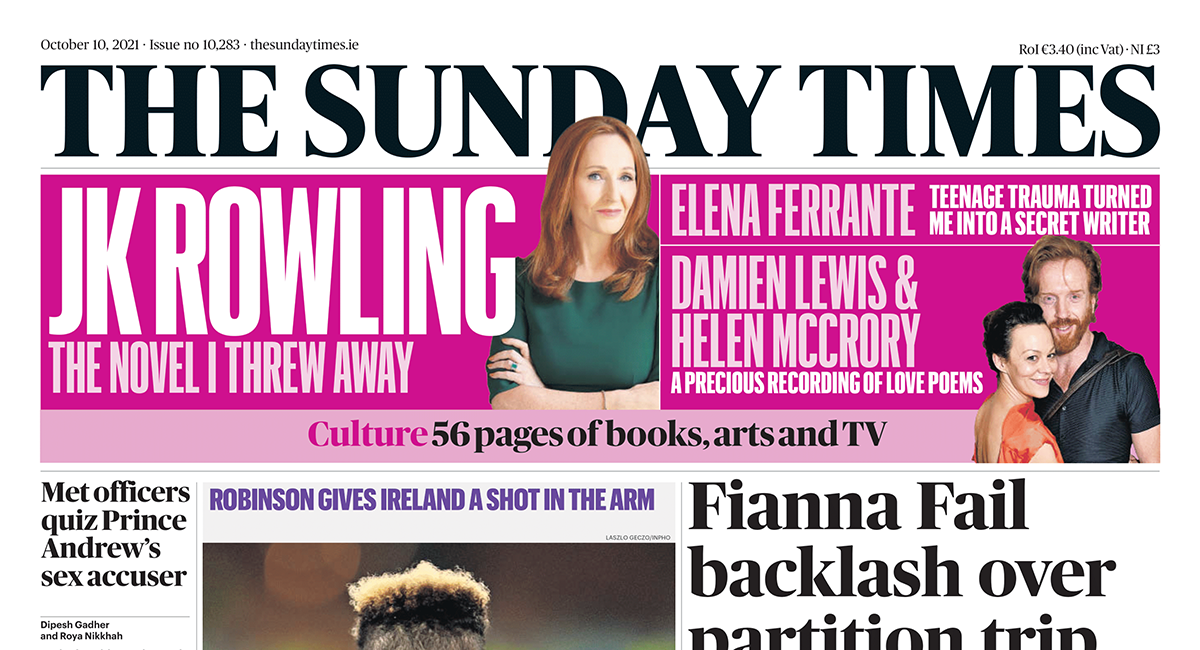
The Sunday Times
The phrase “Morton’s fork” can be traced back to the time of King Henry VII in the 15th century, when John Morton, then the Archbishop of Canterbury and lord chancellor, rationalised that a tax levied by the king was just.
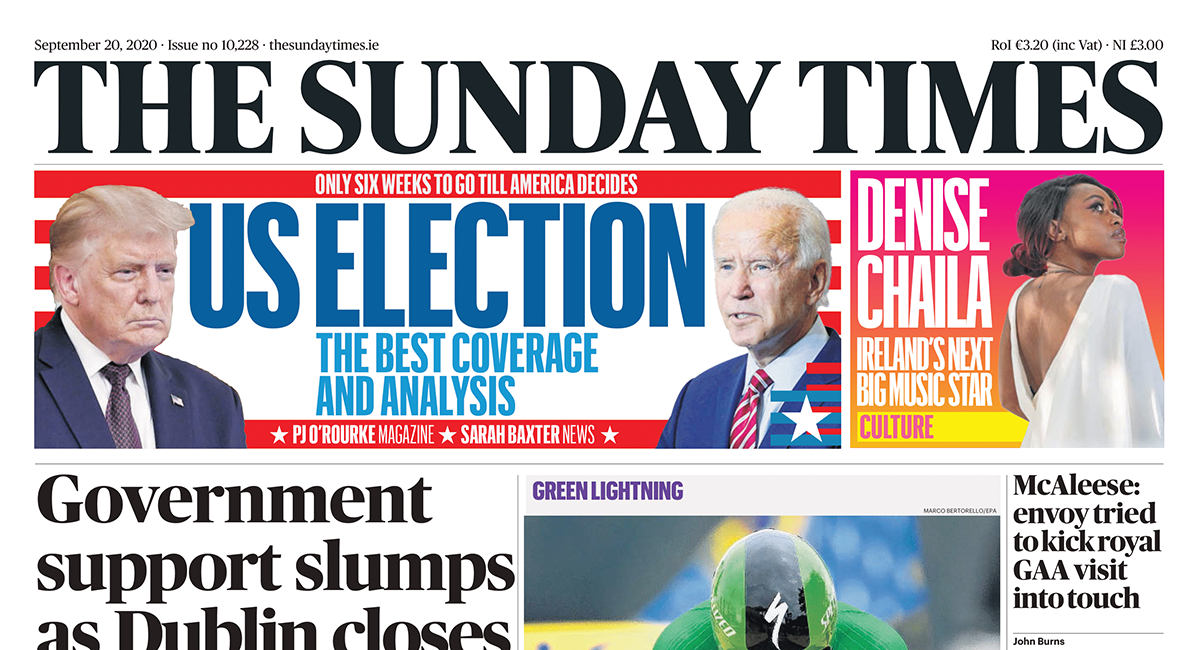
Sunday Independent
Q I HAVE €150,000 which I want to invest for between 10 and 15 years — with a view to using it to fund my retirement in the future. I’m 50 years old. I am interested in property investment and had considered using the lump sum to buy a property outright.
The Sunday Times
If I asked 10 people on the street how long they thought pensions had existed, what do you think they would say? Since the 1960s, the formation of the state, or Victorian times?
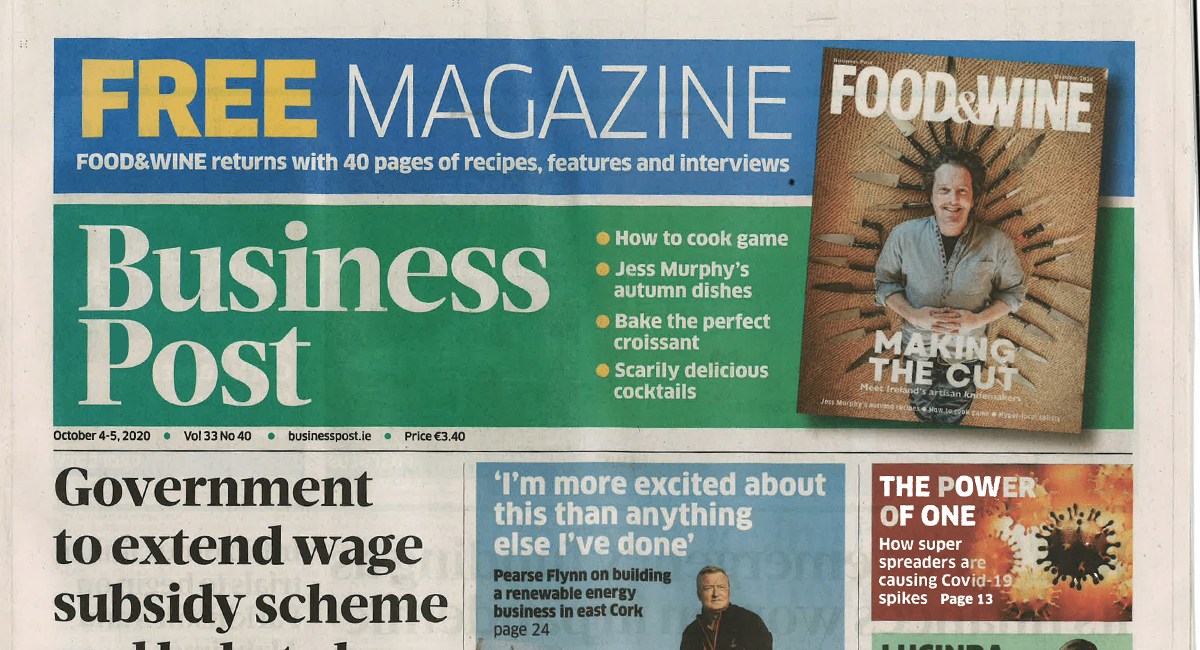
Business Post
No matter how far away you are from retirement, it is always a good time to start a pension or to build up your contributions. And the tax benefits are considerable, writes Siobhán Maguire
Sunday Business Post
The area of pension guidance can be a minefield, but it’s one which Highfield Financial Planning is happy to negotiate for its clients
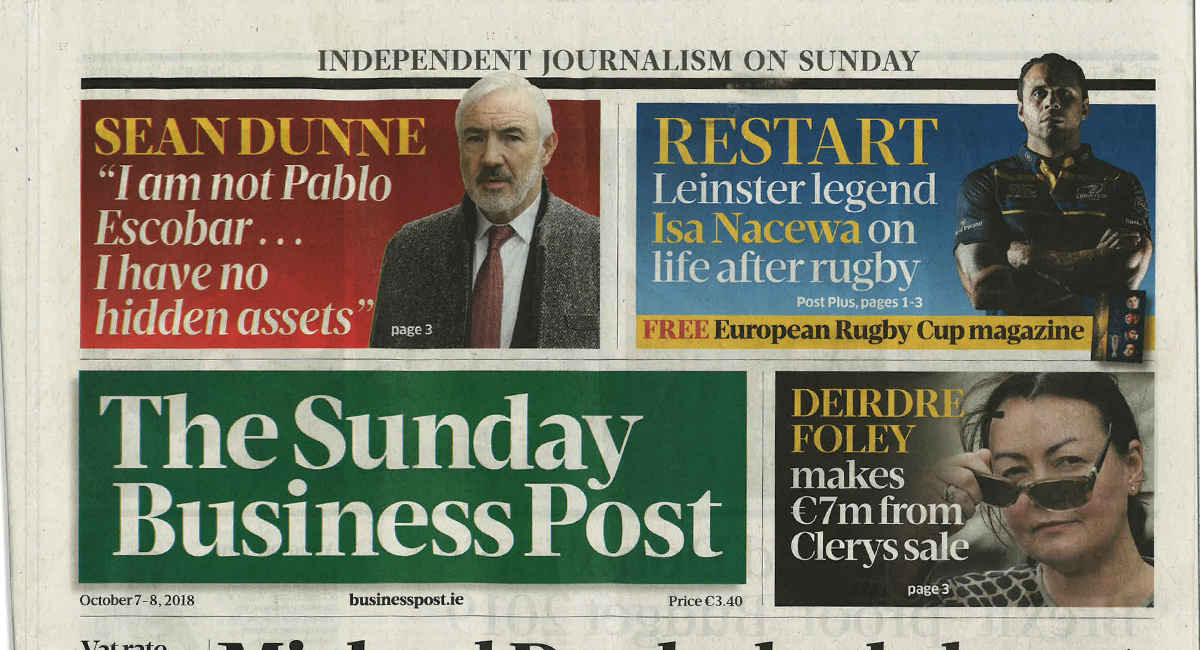
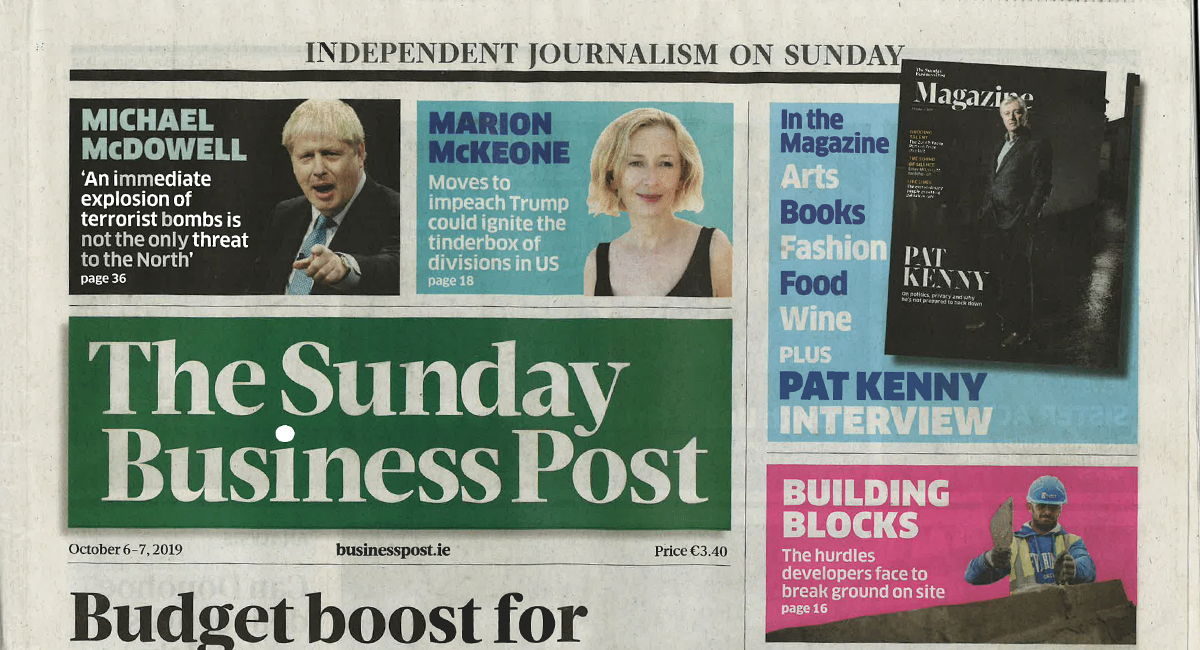
Sunday Business Post
Eoghan Gavigan, a specialist investment adviser and certified financial planner at Highfield Financial Planning, has advice for those looking to start a pension, writes Siobhán Maguire
About Highfield Financial Planning
We provide superior advice on Financial Planning services to business owners, professionals and their families. The principal of the firm Eoghan Gavigan has over 29 years’ experience in banking and finance across Treasury, Lending and Wealth Management and is a Qualified Financial Adviser (QFA) and a Certified Financial Planner (CFP). The CFP qualification is the world’s most respected industry designation, held by only a select number of advisers. As Specialist Investment Advisers we can provide you with detailed investment advice on your pensions and investments.
We want you to be comfortable in your dealings with us. We provide a number of suggestions here for ways that you may be able to obtain comfort that we are the right Financial Planner for you.










Want to hear more?
Make contact today and we’ll tell you more about the kind of work we do.
CONTACT USBOOK A VIDEO CALL