
Pensions for Company Directors
If you are the Director of a company an issue which is likely to be to the forefront of your mind is how to turn company profits into personal wealth. Your business’s profits are your future, but you need to convert them to personal wealth tax effectively.
Why a Company Director Pension is Different
As a company director in Ireland, you have access to pension options that are simply not available to PAYE employees. Your company, not just you personally, can make contributions to your pension, deduct them against corporation tax, and in many cases fund at a level far beyond the standard age-related limits. Used correctly, pension legislation is one of the most powerful tools available for extracting wealth from your business tax-efficiently.
As a business lender for 16 years and a Company Director, I can show you how to manage your company finances tax efficiently.
How Much Can Your Company Contribute?
The maximum your company can contribute depends on your salary, years of service, age, and existing pension funds. For an Executive Pension Plan (EPP), Revenue’s funding rules can be complex but are often significantly more generous than a PRSA. As an example, a married male director aged 50, taking a salary of €75,000 with ten years’ service and no existing pension, could have his company contribute up to €162,000 per annum to his pension, fully deductible against trading profits. You may also see these referred to as a Master Trust.
PRSA or Executive Pension – Which is Right for You?
Both products are available to company directors in Ireland, but they are not interchangeable. The right choice depends on your individual circumstances. A PRSA limits company contributions to your annual earnings from the company. An Executive Pension Plan can, in many cases, allow substantially higher contributions, particularly where there is past service with the company during which no contributions were made. We will always assess both options before making a recommendation.
As well as advising me on the performance of my existing personal pension & arranging life insurance policies, Eoghan is also now overseeing our business needs. So far, he has implemented an employee pension scheme & is advising on corporate co-director & key-person insurance. I have found him to be exceptionally knowledgeable and honest and wouldn’t hesitate in recommending him to others for either business or personal pensions/investments etc. Google Review by Dawn Richardson – check out this and our other Google reviews.
What Happens at Retirement?
When your pension matures, you have several options. You can take a tax-free lump sum of up to €200,000, with a further €300,000 taxable at just 20%. The balance can be moved into an Approved Retirement Fund (ARF), giving you continued investment growth and flexible drawdown in retirement, or used to purchase an annuity. We provide advice at every stage – not just during the accumulation phase.
Why Choose Highfield Financial Planning?
Eoghan Gavigan CFP® QFA has over 29 years’ experience in banking and financial planning in Ireland, including 16 years as a business and commercial lender. He is himself a company director and the owner of Highfield Financial Planning, which means he understands the decisions you face from the inside. Highfield holds agencies with all major Irish life companies and the Davy and Conexim investment platforms, ensuring that you get the best advice.
Retirement Planning Tips for Company Directors in Ireland
Effective pension planning for company directors requires more than simply making contributions — the decisions you make from the outset can have a significant impact on the size of the retirement fund you ultimately build. Here are three of the most important tips we offer clients;
- Start Drawing Taxable Remuneration From Day One
One of the most common and costly mistakes a company director can make is deferring the payment of a salary, even a nominal one, when the company first starts trading. Your pensionable earnings are calculated based on your remuneration history with the company, and years without any PAYE income can permanently reduce the maximum pension contribution your company is permitted to make on your behalf. This applies equally to any spouse or family members. If they work in the business they should be drawing some level of income from the outset.
- Don’t Assume the Same Pension Product Is Right for Every Director
Company directors in Ireland typically have a choice between a PRSA (Personal Retirement Savings Account) and an Executive Pension Plan (EPP), sometimes referred to as a Master Trust. The right product depends on your individual circumstances, your salary, years of service, existing pension funds, and retirement plans. Just because a PRSA was recommended to someone you know who is also a Company Director does not mean it is the most suitable option for you. Personalised advice is essential before selecting any pension structure.
- If You Don’t Have an Investment Strategy, You Need One
A well-constructed pension without a coherent investment strategy is a missed opportunity. If you are unclear on how your pension fund is invested, or if your adviser has never discussed an investment strategy with you, the chances are that none exists. At a minimum, your pension investments should be aligned with your risk tolerance, time horizon, and retirement objectives. We would recommend seeking a second opinion if any of the following apply to your pension;
- you aren’t aware of a strategy for your pension investment
- your adviser has suggested allocating your pension to cash
- your pension is invested across funds with different risk ratings
Frequently Asked Questions
Can my company contribute more to my pension than the standard age-related limits allow?
Yes, in many cases significantly more. The age-related limits that apply to personal pension contributions and PRSAs do not apply in the same way to an Executive Pension Plan (EPP). Under Revenue’s funding rules for EPPs, the maximum allowable contribution is calculated by reference to your salary, years of service with the company, age, and existing pension funds. Where there are years of past service during which no contributions were made, this can result in very substantial company contributions being permitted – in some cases multiples of what a PRSA would allow.
What is an Executive Pension Plan and how does it differ from a PRSA?
An Executive Pension Plan (EPP) – sometimes referred to as a Master Trust – is a company-sponsored pension arrangement set up for the benefit of a director or key employee. Unlike a PRSA, where company contributions are capped at your annual earnings, an EPP uses Revenue’s funding formula to calculate the maximum permissible contribution. This takes into account past service, projected retirement benefits, and existing fund values. For many company directors, particularly those who did not start pension funding early, an EPP will allow far higher contributions than a PRSA.
How does corporation tax relief work on company pension contributions?
Company contributions to an approved pension scheme are treated as a business expense and are deductible against trading profits for corporation tax purposes, subject to Revenue’s funding limits being observed. This means a contribution that reduces your company’s taxable profit by €50,000 saves approximately €6,250 in corporation tax at the 12.5% trading rate. The contribution also avoids PAYE, PRSI, and USC that would otherwise arise if the same amount were paid to you as salary or bonus, making the pension one of the most tax-efficient ways to extract value from your company.
What happens to my pension when I retire as a company director?
At retirement, you can take a tax-free lump sum of up to €200,000. The next €300,000 of any lump sum is taxable at 20%. The balance of your fund can then be transferred to an Approved Retirement Fund (ARF), giving you continued investment growth and flexible drawdown in retirement, or used to purchase an annuity providing a guaranteed income for life. The right choice between an ARF and an annuity will depend on your income needs, other assets, health, and attitude to investment risk. We advise clients at every stage of this decision.
What is the Standard Fund Threshold and does it affect me?
The Standard Fund Threshold (SFT) is the maximum pension fund value that can benefit from tax relief in Ireland. It currently stands at €2.2 million and is scheduled to increase to €2.8 million by 2029. If your pension fund exceeds the SFT at the point of drawdown, a chargeable excess tax applies. For higher-earning directors who have been funding a pension for many years, or who are expecting significant growth in their fund, the SFT is an important planning consideration. We factor it into our funding calculations from the outset.
Why does it matter whether I draw a salary from my company from day one?
Your maximum allowable pension contribution under an EPP is calculated in part by reference to your remuneration history with the company. Years in which you received no PAYE income from the company may not count as pensionable service, or may reduce the benefit that can be funded in respect of past service. Even a nominal salary in the early years of a company can make a material difference to the maximum contribution permissible later. The same applies to any spouse or family member who works in the business.
Check us out in the media by clicking on this image
We focus on clients across Dublin, Meath, Kildare and Wicklow but we can work with clients anywhere in Ireland. If you would like to find out more give us a call on 01 546 1100 or book a no obligation Zoom call with us here.
If you want to reduce your corporation tax bill and turn company profits into personal wealth we can help.
CONTACT US
By Telephone 01 546 1100
Use the Form on this Page
Email to [email protected]
Book a Zoom call with us here.
Happy to start the process? Click here to complete a factfind and tell us your objectives
The material and information contained on this website is for general information purposes only. Neither the writer nor Highfield Financial Planning Ltd makes any warranty as to the completeness, accuracy or reliability of the information or the suitability or availability of products or services, referred to on the website, for any purpose. You should not rely on any information contained on this website as a basis for making any financial, legal, taxation or other decision. The information presented does not include all the considerations which are relevant to the topic discussed as to do so would render it un-readable. When considering any financial issue you should seek the advice of a suitably qualified adviser.
BOOK A FREE NO-OBLIGATION CHAT
By Telephone 01 546 1100
Use the Form on this Page
Email to [email protected]
Book a Zoom call with us here.
Happy to start the process? Click here to complete a factfind and tell us your objectives
The material and information contained on this website is for general information purposes only. Neither the writer nor Highfield Financial Planning Ltd makes any warranty as to the completeness, accuracy or reliability of the information or the suitability or availability of products or services, referred to on the website, for any purpose. You should not rely on any information contained on this website as a basis for making any financial, legal, taxation or other decision. The information presented does not include all the considerations which are relevant to the topic discussed as to do so would render it un-readable. When considering any financial issue you should seek the advice of a suitably qualified adviser.
Highfield Financial Planning in the Media
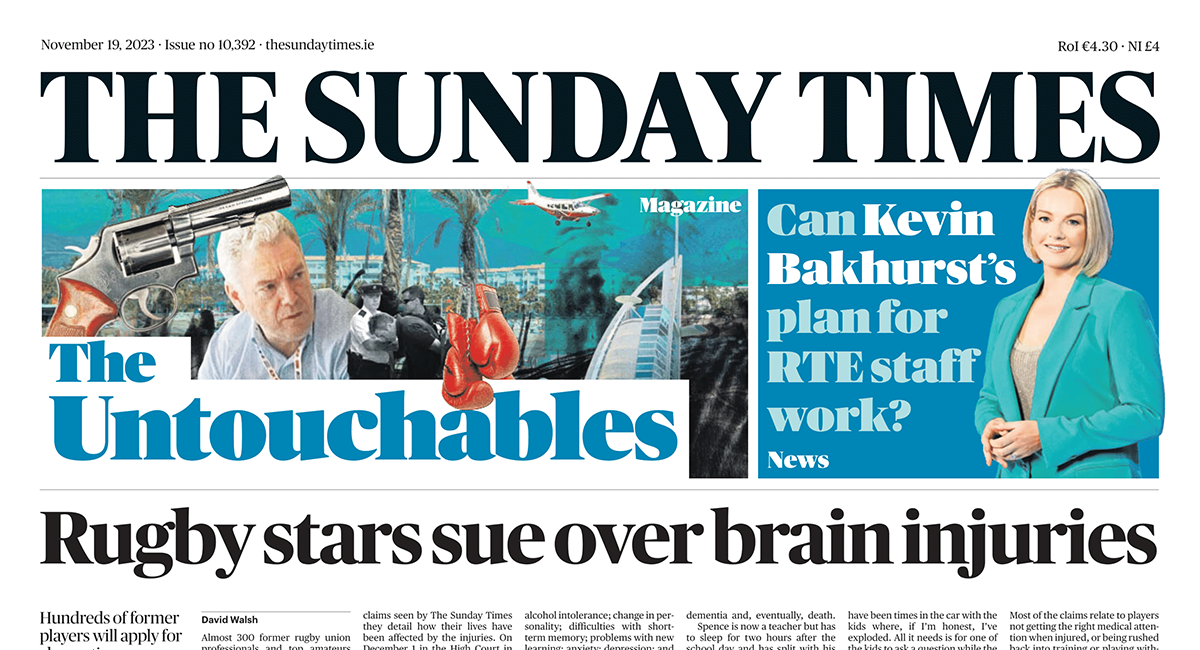
The Sunday Times
In the sport of target pistol shooting there is a saying, “slow is smooth, smooth is fast”, which refers to the way to approach drawing and firing a pistol quickly and accurately. The learner shooter who focuses on practising the correct technique slowly, only building in speed later, will win the day nine times out of ten.
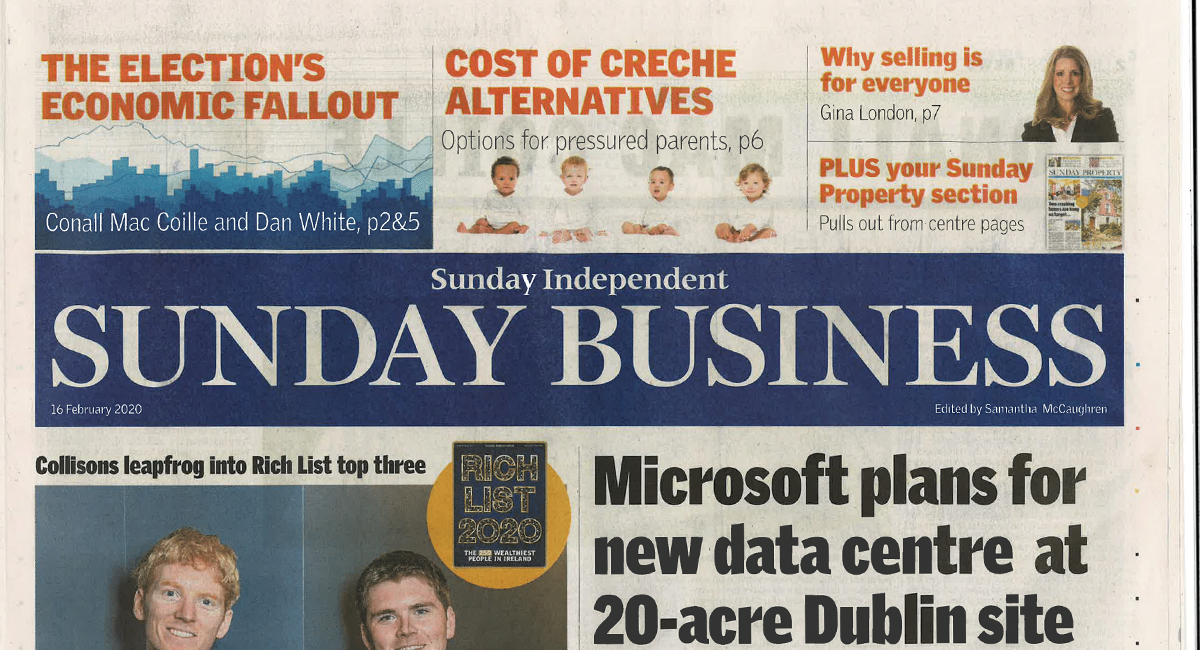
The Sunday Independent
A pension is a term that can seem distant to many, especially if you’re at the beginning of your career. But it is a vital part of long-term financial planning, designed to provide you with a source of income in your retirement years. As the pension landscape continues to evolve, understanding the fundamentals and staying informed about the changes is crucial. So, what do you need to know?
The Sunday Times
I have been sitting on about €140,000 in my current account for the past year. It’s what was left over when I sold a property. I keep reading about inflation and how banks are paying no interest and might start paying negative interest, and so on.
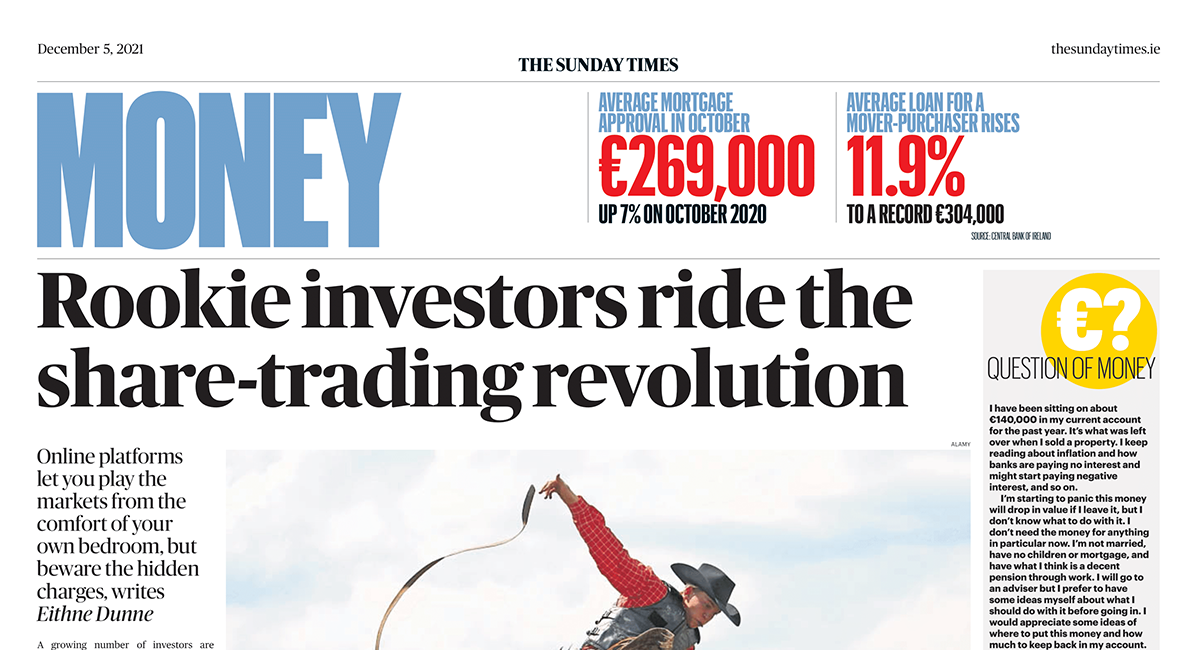
The Sunday Times
Would-be investors have a difficult decision to make when considering their options. If they are going to increase their wealth, they will need, at a minimum, to beat inflation and whatever they are paying in charges.
Business Post
If you’re at the beginning of your working life or are simply new to pensions, we look at what you need to know
The Sunday Times
The phrase “Morton’s fork” can be traced back to the time of King Henry VII in the 15th century, when John Morton, then the Archbishop of Canterbury and lord chancellor, rationalised that a tax levied by the king was just.
Sunday Independent
Q I HAVE €150,000 which I want to invest for between 10 and 15 years — with a view to using it to fund my retirement in the future. I’m 50 years old. I am interested in property investment and had considered using the lump sum to buy a property outright.
The Sunday Times
If I asked 10 people on the street how long they thought pensions had existed, what do you think they would say? Since the 1960s, the formation of the state, or Victorian times?
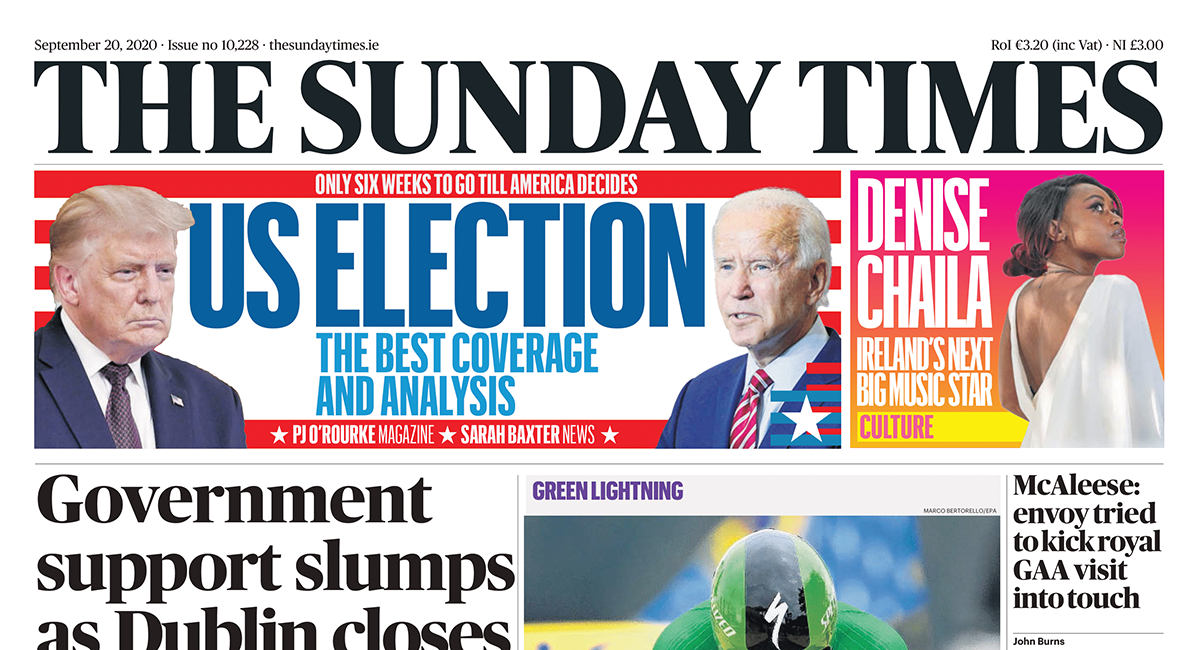
Business Post
No matter how far away you are from retirement, it is always a good time to start a pension or to build up your contributions. And the tax benefits are considerable, writes Siobhán Maguire
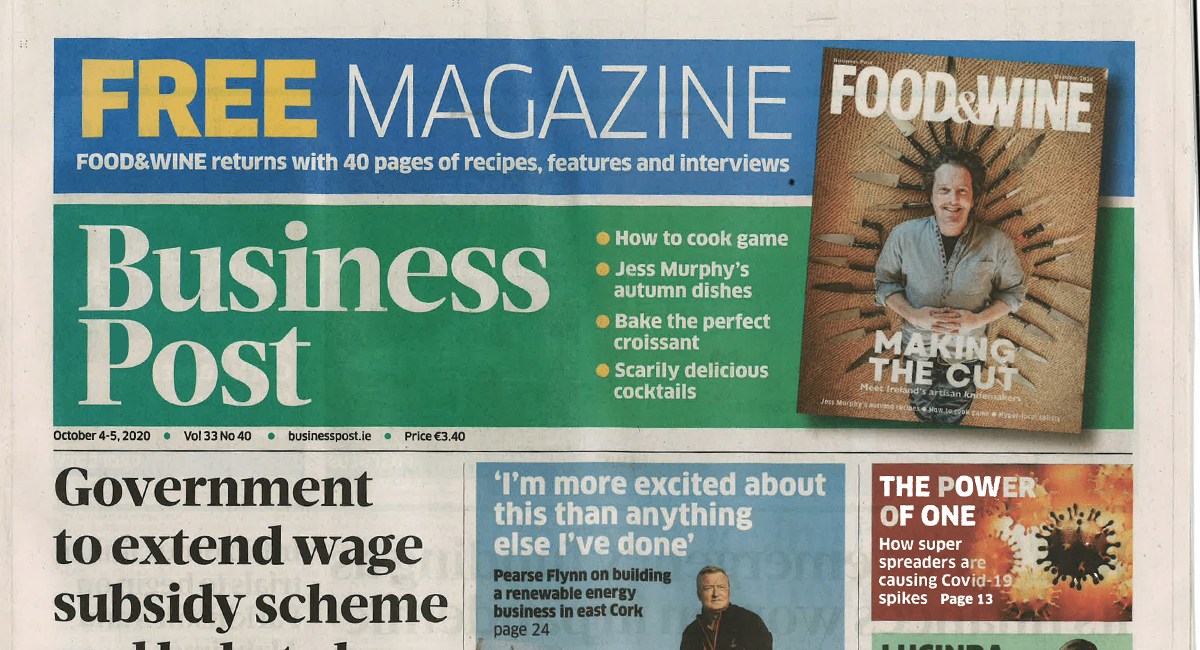
Sunday Business Post
The area of pension guidance can be a minefield, but it’s one which Highfield Financial Planning is happy to negotiate for its clients
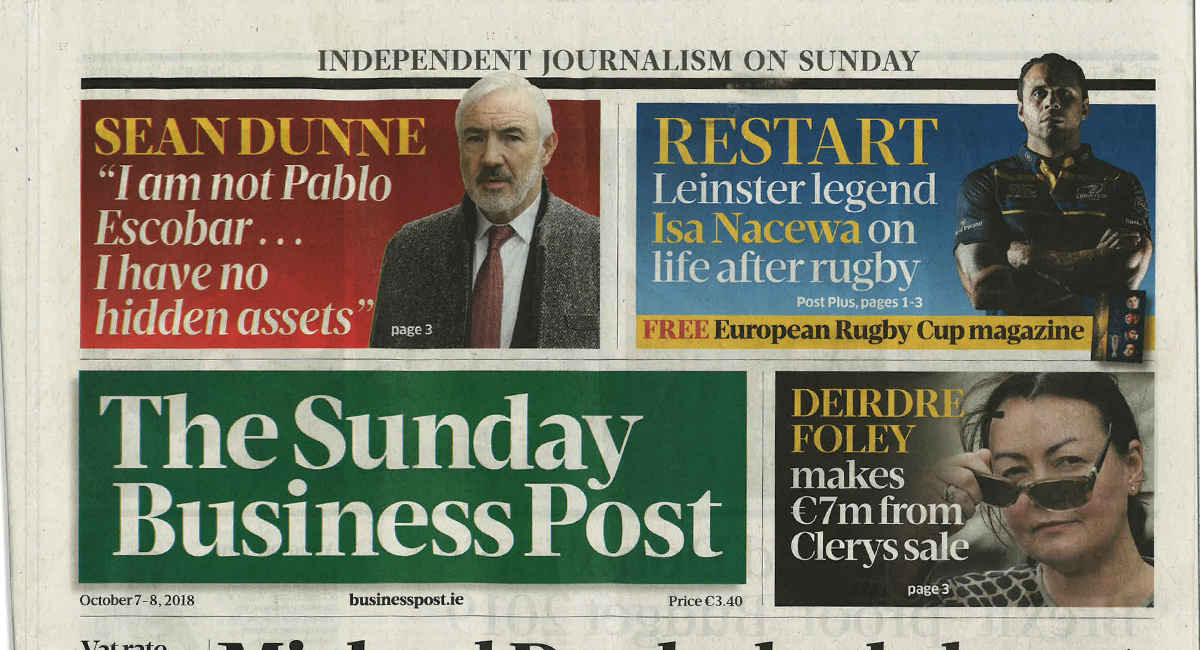
Sunday Business Post
Eoghan Gavigan, a specialist investment adviser and certified financial planner at Highfield Financial Planning, has advice for those looking to start a pension, writes Siobhán Maguire
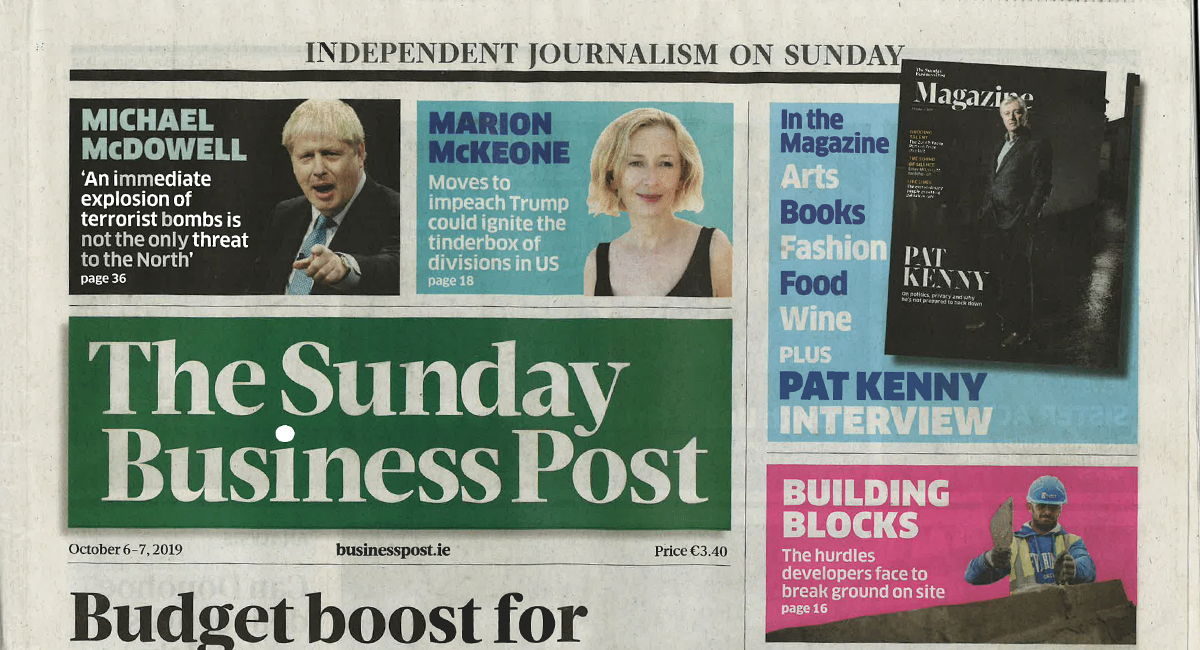
About Highfield Financial Planning
We provide superior advice on Financial Planning services to business owners, professionals and their families. The principal of the firm Eoghan Gavigan has over 29 years’ experience in banking and finance across Treasury, Lending and Wealth Management and is a Qualified Financial Adviser (QFA) and a Certified Financial Planner (CFP). The CFP qualification is the world’s most respected industry designation, held by only a select number of advisers. As Specialist Investment Advisers we can provide you with detailed investment advice on your pensions and investments.
We want you to be comfortable in your dealings with us. We provide a number of suggestions here for ways that you may be able to obtain comfort that we are the right Financial Planner for you.





Want to hear more?
Make contact today and we’ll tell you more about the kind of work we do.
CONTACT USBOOK A VIDEO CALL